Why Your Shower Gets Dirty Again in 3 Days (And the 1 Switch That Fixes It)
By Anderson, Bond Cleaning Service Brisbane·
There is a quiet, specific frustration that every homeowner knows. You spend an hour on Saturday morning bent over a glass shower screen, scrubbing until your arms ache and your eyes water from chemical fumes. By Sunday, it looks pristine. By Tuesday afternoon, that subtle, cloudy haze is already creeping back across the glass.
It feels like a losing battle. The natural reaction is to think you just did not scrub hard enough, so you head to the shop, buy a harsher chemical spray, grab a stiffer green scouring pad, and try again next weekend.
The reality is that your shower screen is not getting dirty again because you skipped a spot or did not scrub hard enough. It gets cloudy because of a basic chemical reaction happening every time someone takes a shower—and the way you are scrubbing is likely making it worse.
## What Is Actually Coating Your Glass?
That foggy film on your shower screen, chrome taps, and wall tiles is not just dried tap water. It is a stubborn compound known as soap scum.
Soap scum happens when traditional bar soap mixes with the minerals in your water supply. Solid bar soap is made using saponified animal fats or vegetable oils. Your tap water, depending on where you live, carries dissolved minerals like calcium and magnesium.
When those fatty acids from the bar soap meet the minerals in warm water, they create an insoluble residue. It does not wash away with water. Instead, it acts like a thin, sticky film that glues itself to your glass and tiles. Every single time someone washes with a bar of soap, another microscopic layer of that film gets deposited onto the surface.
## The Problem With Heavy Scrubbing
When that white haze builds up, the instinct is to grab an abrasive sponge or steel wool and force it off.
While that might strip the mess away for a day or two, it ruins the glass over time. Glass looks completely flat and smooth to the human eye, but under a microscope, it has pores and texture. When you scrub it with abrasive pads or gritty cleaners, you leave behind thousands of microscopic scratches across the surface.
Those tiny scratches act like anchors. The next time soap scum and mineral droplets hit the glass, they settle directly into those micro-grooves. Because the glass is now rougher than it used to be, the grime holds on tighter and builds up twice as fast.
Aggressive scrubbing creates an exhausting cycle: you scratch the glass to remove the dirt, which causes the dirt to stick faster next time, forcing you to scrub even harder.
## The One Simple Switch That Changes Everything
If you want to stop scrubbing your glass screen every few days, you do not need a stronger cleaner. You just need to change what goes into the shower.
The single easiest fix is trading your traditional bar soap for a liquid body wash.
Liquid body washes and shower gels are formulated completely differently from solid soap bars. Instead of saponified fats, they use synthetic cleansers that rinse away cleanly. Because liquid wash does not contain the fatty acids found in solid bars, it physically cannot react with the calcium and magnesium in your water.
When you switch to liquid body wash, you instantly cut out the main ingredient that creates soap scum in the first place. You will notice within two weeks that the heavy, sticky haze simply stops forming.
## Three Quick Habits to Keep Glass Clear
Switching to liquid body wash handles the soap side of the equation, but tap water still leaves mineral spots when droplets evaporate on glass. To keep the screen clear week after week without pulling out the scrub brush, pair your soap switch with three basic habits.
*1. The Squeegee Routine
Water droplets left to dry on glass leave raw calcium behind, which etches into the surface over time. Keep a plain rubber squeegee hanging in the shower. After the last shower of the day, spend 30 seconds pulling the water off the glass and tiles down to the drain. Removing the standing water before it dries stops hard water spots before they start.
*2. Coat the Glass Every Few Months
Think about how rainwater rolls off a freshly waxed car bonnet. You can get that same water-repellent effect on your shower screen. Grab a simple glass sealant or hydrophobic treatment from your local hardware store. Apply it to a clean, dry screen, wipe it in, and buff it off with a soft cloth. The sealant fills in those microscopic pores, forcing water to bead up and slide straight down the drain without sticking.
*3. Run the Exhaust Fan
Humidity creates the perfect breeding ground for mold and mildew, which love to mix with lingering skin oils along your tile grout and silicone seals. Always turn your exhaust fan on before turning on the water, and let it run for ten minutes after you finish. If you do not have a fan, leave the bathroom window or door cracked so the steam can clear out quickly.
## Safely Resetting Built-Up Glass
If your shower already has years of heavy buildup, do not reach for scouring pads. Use a gentle acid to break down the mineral bonds instead.
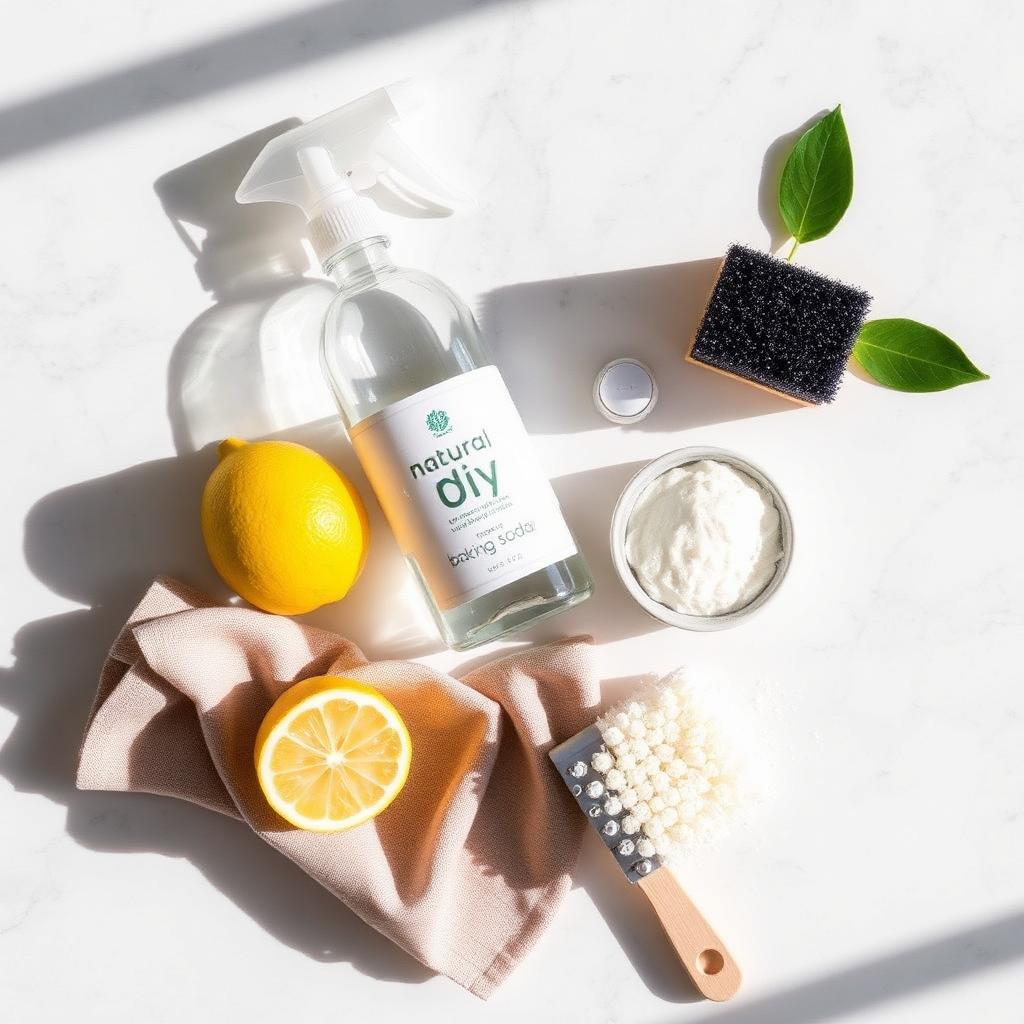
Mix equal parts plain white vinegar and warm water in a spray bottle. Spray it onto the screen, let it sit for five minutes to dissolve the mineral deposits, and wipe it away with a soft microfiber towel. Rinse it with plain water and squeegee it dry.
A quick warning: never use vinegar or any acidic cleaner on natural stone tiles like marble, travertine, or limestone, as acid will permanently dull and etch natural stone. Stick to pH-neutral cleaners for those materials.
By swapping out fatty bar soaps and taking thirty seconds to clear standing water, you break the cycle of endless weekend scrubbing for good.
This article was contributed by a third party. Views are the author’s own and don’t represent an endorsement by BondClean.