Why Baking Soda and Vinegar Are Ruining Your Oven's Metal Finish
By Jugraj, Best Bond Cleaners·
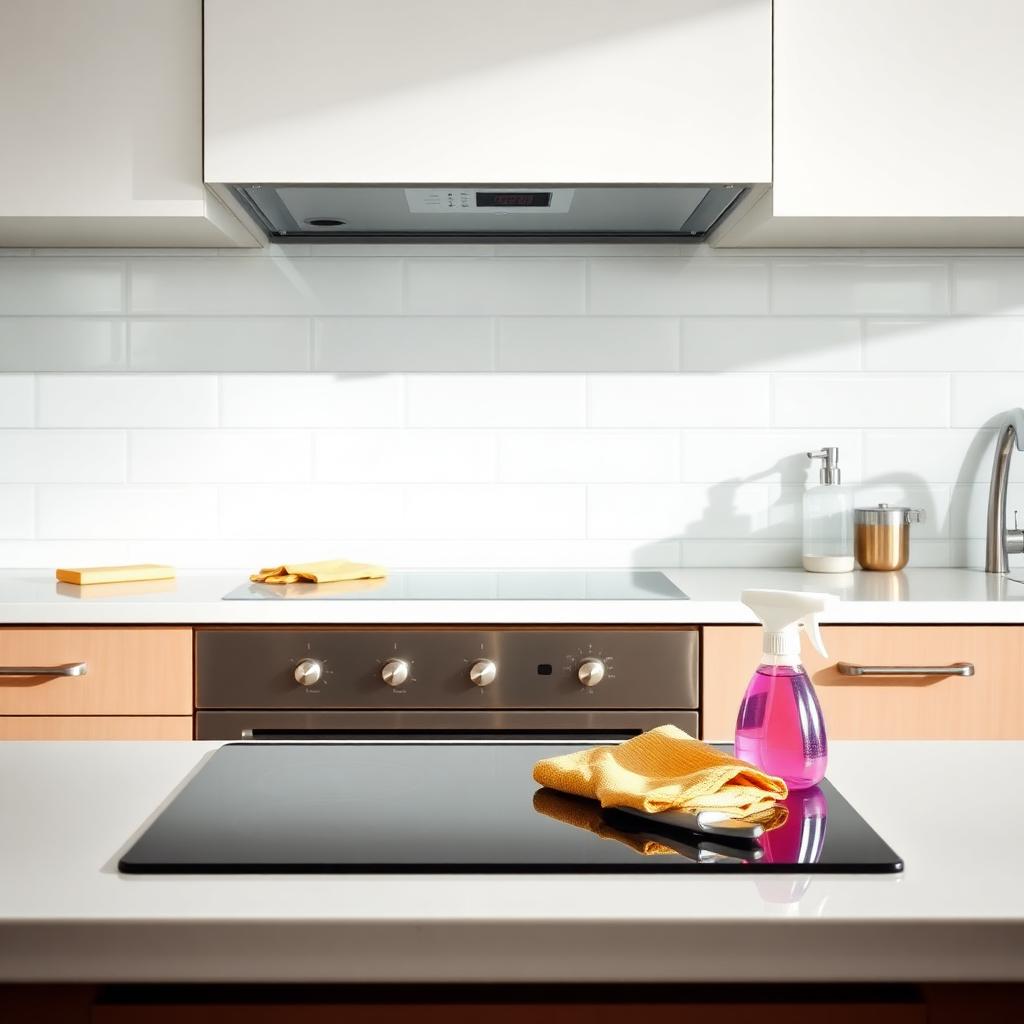
If you have spent any time scrolling through home maintenance hacks or watching short-form social media videos, you have almost certainly seen the classic kitchen cleaning trick: mix baking soda and vinegar to clean your oven. Endless lifestyle blogs and online creators promote this simple pantry combination as a magical, non-toxic way to melt away years of baked-on grease without buying commercial products.
That dramatic, foaming reaction looks incredibly impressive on camera. It gives the illusion that a powerful chemical transformation is taking place right before your eyes, effortlessly lifting away stubborn carbon buildup.
In reality, applying this mixture inside a modern home oven is one of the fastest ways to wreck its factory finish, permanently cloud the door glass, and cause long-term damage to internal heating components. Understanding what actually happens during this process reveals why this viral DIY trend does far more harm than good—and how you can keep your kitchen hygienic without risking a massive repair bill.
## The Chemistry Myth: Why the DIY Paste Fails
The primary issue with using baking soda and vinegar comes down to basic school chemistry. People often assume that combining two effective household ingredients creates a double-strength cleaner. However, the exact opposite happens.
Baking soda, or sodium bicarbonate, is a mild alkaline compound sitting at a pH level of around 8 or 9. Its basic nature helps break down acidic organic matter, such as cooked fats and fatty acids, when used on its own with water. White vinegar, on the other hand, is diluted acetic acid with a low pH around 2 or 3. Acids are naturally suited for dissolving inorganic mineral scale, hard water marks, and rust.
When you mix an acid with a base, they immediately react to neutralize each other. That satisfying fizzing and bubbling you see on the oven floor isn't grease or carbon lifting away from the metal—it is simply carbon dioxide gas escaping into the air as the two substances cancel each other out.
Once the bubbles settle, you are not left with a heavy-duty, grease-cutting agent. You are left primarily with water containing a small amount of dissolved sodium acetate, which is essentially liquid salt. Rubbing salty liquid over hot metal surfaces accelerates oxidation, breaks down factory protective coatings, and leaves behind a chalky, white film that requires endless rinsing to remove completely.
## 4 Ways DIY Mixes Wear Down Your Oven
Modern kitchen appliances rely on specific metal alloys, protective enamel layers, and sensitive heating electronics to keep heat safely trapped inside the cooking cavity. Repeatedly smearing these internal surfaces with abrasive powders and acidic liquids causes cumulative structural damage.
### 1. Micro-Scratches on Enamel Coatings
The interior cavity of almost every modern domestic oven is lined with porcelain enamel—a smooth, glass-like layer fused directly onto sheet metal at high temperatures. Baking soda consists of tiny, sharp, undissolved crystals. When you scrub baked-on carbon deposits with a thick baking soda paste, you act like a sander on wood, creating thousands of microscopic scratches across that smooth glass lining. Over time, these micro-scratches destroy the factory gloss. Once the surface becomes rough, future grease and sugar spills bake directly into the newly exposed pores, making the oven twice as hard to clean next time.
### 2. Metal Corrosion and Pitting
Vinegar's acetic acid is notoriously harsh on unsealed or worn metals. If liquid vinegar seeps into those micro-scratches in the enamel or makes contact with stainless steel trim, aluminum heating element mounts, or sliding rack runners, it triggers pitting corrosion. In humid conditions across coastal Australia, leaving acidic salt residue inside metal joinery creates the absolute ideal environment for rust to set in unnoticed behind structural panels.
### 3. Etched and Permanently Clouded Glass
The multi-pane glass window on your oven door utilizes specialized heat-reflective films between the panes to keep thermal energy inside the appliance cavity. Applying abrasive gritty pastes and acidic liquids strips or etches these delicate optical coatings. Once etched, the glass develops a hazy, milky-white film or streaky stain that cannot be wiped away, completely ruining the visual appearance of your kitchen setup.
### 4. Electrical Hazards and Component Damage
Sloshing liquid vinegar or spreading wet, goopy pastes around the oven cavity creates a significant risk of liquid ingress. Moisture easily slips into ignition ports, thermostat probes, convection fan housings, and heating element electrical terminals. Excess liquid behind internal access panels can trip your home's RCD safety switches, corrode delicate wiring looms, or short out expensive electronic control boards altogether.
## What This Means for Your Warranty and Consumer Rights
Under Australian Consumer Law, appliances come with statutory guarantees regarding reasonable durability, quality, and fitness for purpose. However, standard manufacturer warranties always require owners to adhere to reasonable care, maintenance, and operating guidelines provided in the user manual.
Major appliance manufacturers operating in Australia explicitly state that damage caused by harsh abrasives, unapproved acids, or improper DIY cleaning methods is not covered under warranty terms. If a qualified service technician inspects a failed element, shorted control board, or rusted cavity and discovers evidence of acid corrosion or scratched enamel, your warranty claim can be formally rejected. You could end up paying hundreds or thousands of dollars for replacement parts completely out of pocket.
## How to Maintain Your Oven Safely
Taking proper care of your kitchen appliances does not require dangerous chemical experiments or harsh abrasive scrubbing. A few straightforward, preventative habits work far better over the long term:
* Catch Spills Early: Once the oven has completely cooled down, wipe up fresh grease or sugar spills immediately using warm water and a soft microfiber cloth before heat bakes them into rock-hard carbon.
* Use Non-Abrasive Products: When deep cleaning, choose mild, pH-neutral soaps or specialist cleaners specifically formulated for porcelain enamel and stainless steel finishes.
* Keep Liquids Away from Vents: Never spray liquids directly onto heating elements, igniters, light fittings, or convection fan covers.
* Ditch the Harsh Scourers: Steer clear of steel wool, wire brushes, and metal scraper blades that easily slice through enamel coatings and door seals.
## When to Get Professional Help
If your oven already has heavy layers of dark, burnt-on carbon, attempting to scrub it away for hours with harsh pantry powders usually causes permanent cosmetic and functional damage.
Professional oven cleaners do not rely on harsh abrasive powders or acidic concoctions. Instead, certified technicians utilize specialized, non-caustic, pH-balanced treatments combined with warm-water dip-tank systems. Rather than scratching your appliance's interior, professionals safely disassemble the oven door, internal glass panels, racks, and fan covers to lift stubborn carbon and fat without stripping metal finishes, damaging electrical parts, or voiding your manufacturer's warranty.
Save yourself hours of exhausting labor and protect your kitchen investment. Get in touch with our local team of expert cleaning specialists today to book a safe, hassle-free oven restoration!
This article was contributed by a third party. Views are the author’s own and don’t represent an endorsement by BondClean.