What Professional Carpet Cleaners Don’t Tell You About Machine Rentals vs. Pro Service
By Kamal, Cheap Bond Cleaning Perth·
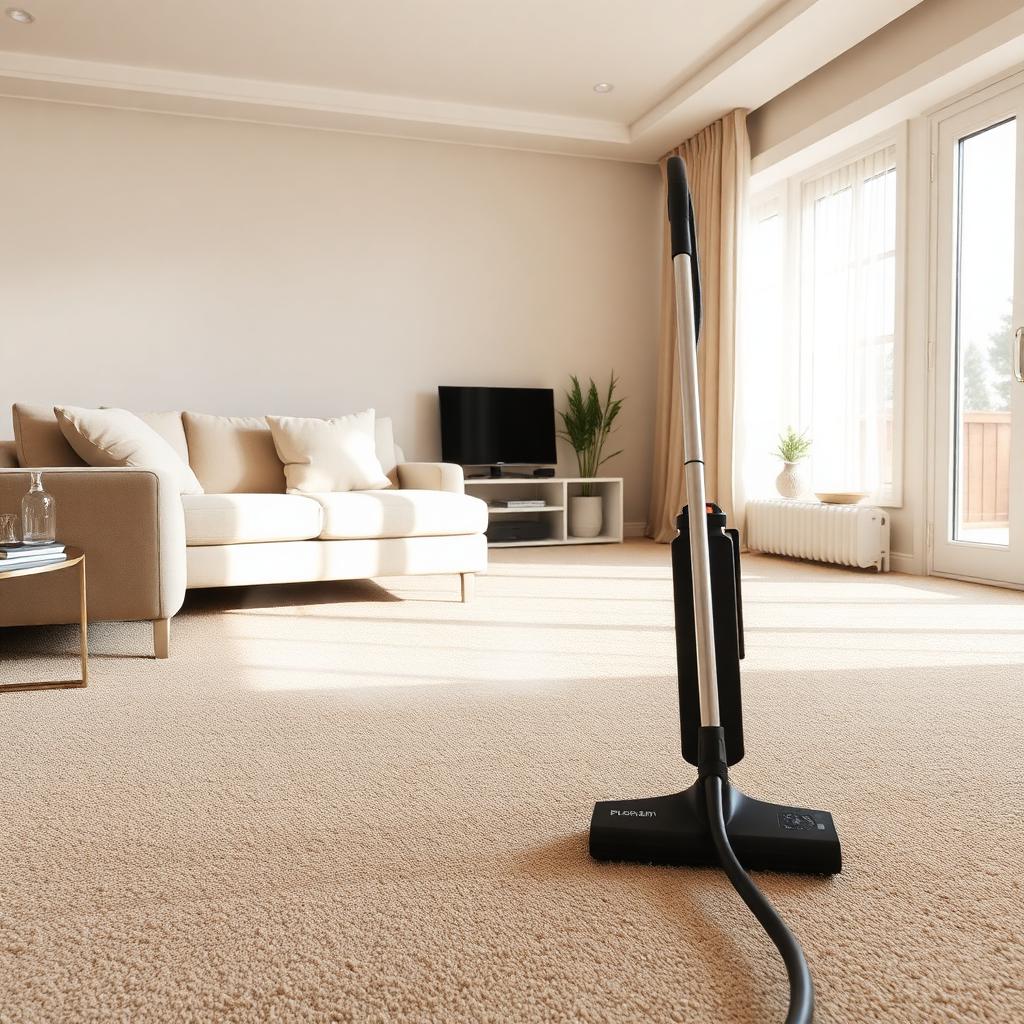
We’ve all been there. You spill a glass of red wine during dinner, your dog tracks mud across the living room rug, or your tenancy lease is ending, and you need to get the place looking spotless. Your first instinct might be to head down to the local supermarket, hardware store, or hire shop to grab a DIY carpet cleaning machine.
At around $40 to $60 for a day's hire, it feels like a total bargain. You pick up a bottle of shampoo, push the machine around for a couple of hours, and figure you’ve saved yourself a small fortune.
But behind the clever marketing and convenience of hire units lies a reality that hire shops rarely talk about. Renting a DIY machine and hiring a professional carpet cleaner aren't just two different price points for the same job—they are two completely different processes. From water temperatures and suction power to detergent residues and Australian tenancy laws, taking the DIY route can end up costing you far more than you bargained for.
Here is what you really need to consider before wheeling one of those plastic rental units into your home.
## 1. The Physics Deficit: Water Temperature and Vacuum Power
The main reason professional carpet cleaning works so much better than a rental unit comes down to basic physics: heat and suction.
In the cleaning industry, effective hot water extraction relies on four main pillars: time, mechanical agitation, correct chemical pH, and temperature.
### The Heat Problem
Rental machines rely entirely on whatever tap water you pour into their plastic tanks. The moment you pour hot water into the machine, it starts cooling down. By the time you start cleaning, that water is usually hovering around 40°C to 50°C, and it gets colder with every minute that passes.
Professional carpet cleaners use high-powered truck-mounted or industrial portable systems with inline heaters. They inject water into your carpet at 90°C to 110°C. That extreme heat instantly melts stubborn oils, breaks up deep-seated dirt, and kills dust mites and bacteria without needing to flood your carpet.
### The Suction Deficit
Injecting hot water into a carpet is only half the battle; getting it back out is what keeps your flooring safe. DIY hire units operate on small, single-stage electric motors. They simply don't have the lift or airflow needed to pull water out from the deep base of the carpet fibers and underlay.
Professional systems use multi-stage high-vacuum engines that extract the vast majority of injected moisture. That difference in suction power means the difference between a carpet drying in a few hours versus staying damp for days.
## 2. The Over-Wetting Trap: Mould, Odours, and Carpet Damage
Because DIY machines lack suction power, people often push them more slowly or go over the same spot repeatedly to pull up stubborn dirt. This causes severe over-wetting, which sets off a chain reaction of hidden problems beneath your feet.
### Mould and Mildew Spores
Your carpet underlay is essentially a massive sponge. If moisture gets trapped under the carpet backing for more than 24 to 48 hours, mold and mildew spores start multiplying. This leaves behind that stale, damp smell that is almost impossible to remove once it takes hold.
### Subfloor Damage
Excess water doesn't just stop at the underlay; it seeps through to your subfloor. If you have particleboard or timber subflooring, trapped moisture can cause the wood to swell, warp, rot, or release persistent foul odors.
### Carpet Delamination
High-quality carpets are made with two backing layers bonded together by a latex adhesive. When a carpet stays soaked for an extended period, that latex bond deteriorates. This process—known as delamination—causes the carpet to ripple, buckle, and permanently lose its shape. Fixing it usually requires re-stretching or replacing the carpet entirely.
## 3. Soap Residue: Why Carpets Get Dirty Faster After DIY Cleaning
One of the biggest traps with rental units involves the detergents sold alongside them. Most rental stations supply general-purpose shampoos designed to handle every stain type. When using them, homeowners routinely make two major mistakes: using too much soap in the hope of getting a better clean and skipping a proper acid rinse pass.
When high-pH detergent isn't thoroughly rinsed out of the carpet, it dries into a sticky, invisible film on the fibers.
The next time your family walks across the carpet in socks or barefoot, natural body oils, dust, and outdoor dirt stick directly to that leftover soap residue. Within two or three weeks of a DIY clean, you might notice your carpets looking even dirtier than they did before you started.
Professional carpet technicians always finish their hot water extraction with specialized pH-balancing rinses. This neutralizes the cleaning agent, leaving your carpet fibers soft, clean, and completely residue-free so they stay clean longer.
## 4. The Real Cost: Are You Really Saving Money Renting a Machine?
A rental machine sticker price of $50 looks great on paper compared to paying $150 to $250 for a professional service. But when you add up the hidden expenses, the actual price gap shrinks fast.
By the time you pay the base hire fee, buy the specialized shampoo, spotter, and defoamer liquids, and pay for the fuel to pick up and return the unit, your out-of-pocket cost is often close to $90 or $100.
Then consider your time. Moving furniture, setting up the unit, doing multiple slow passes, emptying dirty water tanks, and hauling the machine back to the store will easily cost you 3 to 6 hours of heavy manual labor on your weekend.
Add in the risk of carpet damage, long 48-hour drying times, and the lack of any stain-removal guarantees, and that initial "saving" starts to look like a very risky gamble.
## 5. End of Lease Inspections & Australian Tenancy Law
If you are renting a home in Australia, getting your carpets professionally cleaned at the end of your lease is important if you want to get your full bond back.
Under the Australian state residential tenancy legislation (for example, the Residential Tenancies Act in NSW, Victoria, or WA), tenants have to leave a property in a reasonably clean condition, allowing for fair wear and tear.
### Know Your Rights
Landlords cannot legally force you to return carpets in a better state than when you moved in. Furthermore, blanket lease clauses demanding professional carpet cleaning are restricted in some states unless specific conditions apply, such as having a pet on the property.
## Why DIY Cleaning Can Ruin Your Relationship
The property manager will very thoroughly examine the carpets when a tenant moves out. Should the property manager find damp odors, water ring marks, or sticky soap residue that attracts fresh dirt before the inspection, the property manager may issue a notice to re-clean.
When you hire a licensed professional cleaning company, you get a formal tax invoice and a service guarantee. Should the property manager have any reasonable concerns about the state of the carpet during their exit walk-through, your professional cleaner will generally come back to re-treat the area at no extra cost to you, protecting your bond money.
## Final Thoughts: Protecting Your Investment
While DIY hire machines might be okay for a quick surface clean on a cheap floor runner, trusting them with your home's main carpets is a gamble. The lack of heat, weak vacuum extraction, and risk of chemical residue mean you often spend hours of hard work for a temporary fix—or worse, cause long-term damage to your flooring.
Investing in a professional carpet cleaning service isn't just about paying for someone else's labor. You are paying for high-temperature sanitization, commercial-grade moisture extraction, tailored chemical knowledge, and complete peace of mind.
This article was contributed by a third party. Views are the author’s own and don’t represent an endorsement by BondClean.