Understanding Carpet Wear: How Deep Dirt Affects Your Flooring Investment
By Kemmy, Best Bond Cleaners·
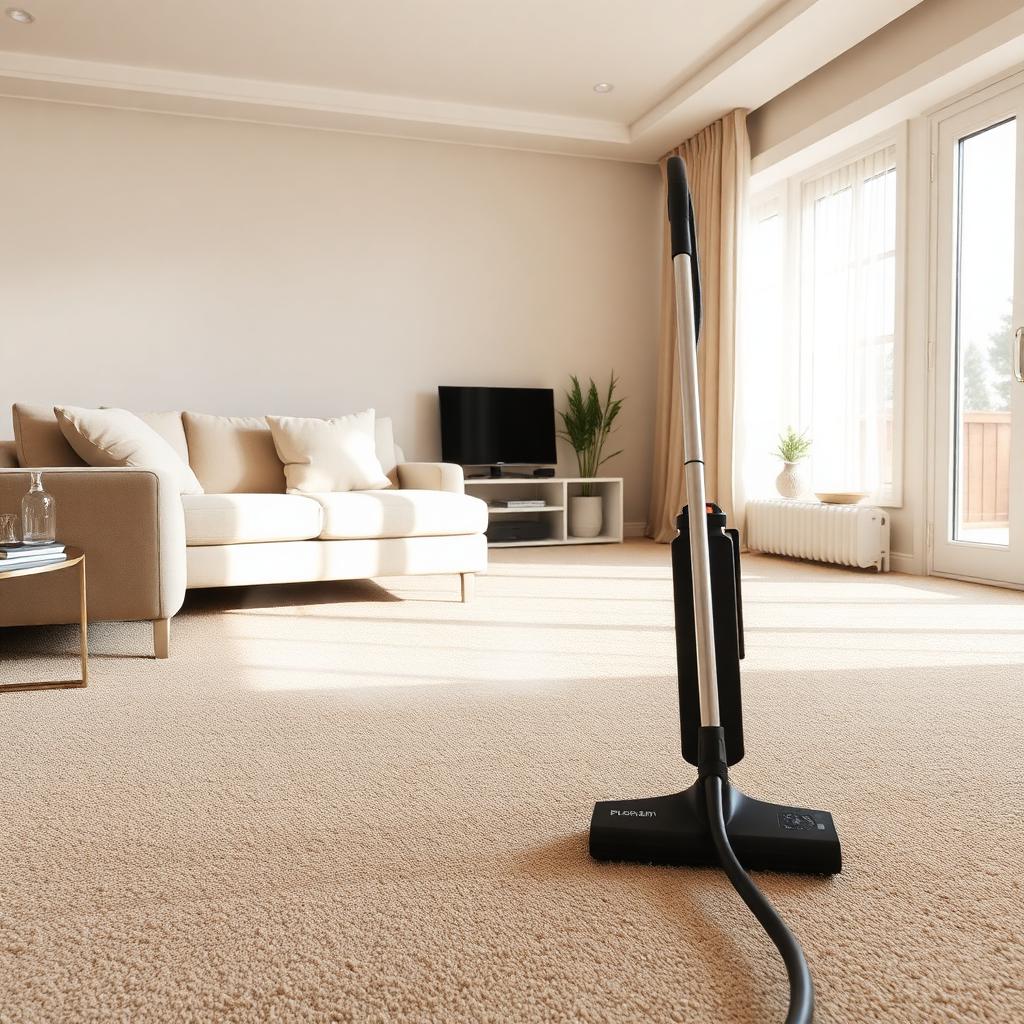
# Why Your Carpet Looks Dull (And What Vacuuming Can't Remove)
If your hallway carpet looks flat, dark, or worn down despite regular vacuuming, you aren't doing anything wrong. Vacuums are great for surface dust, but they simply can’t lift what sinks to the bottom.
Over time, everyday foot traffic pushes sharp dirt, sand, and fine grit deep into the carpet base. Every time someone walks across the room, those buried particles rub against the fibers like fine sandpaper.
This guide explains what actually happens beneath your feet, how to deal with spills safely, and how to maintain your flooring without damaging it or voiding your manufacturer warranty.
## The Real Causes of Carpet Wear and Odours
Carpet doesn't just wear down from the top—it degrades from the backing.
* 1. Fine Sand and Fiber Scratching
Australian soils often contain sharp silica particles and fine clay. When brought inside on boots or shoes, these heavy grains sink past the top fibers and settle in the backing. Every step compresses these hard grains against the carpet yarn. Over time, this friction scratches the synthetic or wool strands, changing how they reflect light. That dull, grey track in your hallway isn't always dirt—it is often permanent mechanical fiber wear.
* 2. The Moisture Trap
Pet mishaps, spills, and excessive wetness during a do-it-yourself cleaning all seep directly into the underlay foam. Foam underlay dries quite slowly due to the absence of airflow. The ideal conditions for bacteria to grow and produce musty smells are created when moisture is retained and combined with organic materials, like milk or pet urine. However, the store deodorizers don't deal with the root of the problem; they just temporarily cover it.
* 3. Dust and Everyday Allergens
Carpet is a natural filter that traps airborne dust, pollen, and pet dander before it can float around the room. But once carpet fibers are saturated with dirt, normal walking will disturb these trapped particles, throwing them back into the air you breathe.
## 3 Common DIY Care Mistakes to Avoid
When an accident happens, reacting quickly is key—but using the wrong method can cause permanent damage.
### Scrubbing Stains with a Towel
Scrubbing unwinds the tightly spun carpet yarn (known as "frazzling" or "blossoming"). Once carpet fibers unravel, the fuzzy texture is permanent and cannot be fixed by cleaning. Always blot or press gently instead.
### Using Household Dish Soap
Dish washing liquids and generic spot cleaners leave behind a thick, sticky soap film. If you don’t flush that soap out with high-pressure hot water, it stays in the fibers and pulls fresh dirt straight off your shoes every time you walk past.
### Pouring Harsh Chemicals or Vinegar on Wool
Many Australian homes feature wool or wool-blend carpets. Applying unbuffered acidic mixtures (like pure vinegar) or generic bleach sprays can strip natural dyes, leave permanent light patches, or weaken natural wool fibers.
Professional Hot Water Extraction vs. Household Cleaning: Carpet care is a blend of regular household maintenance and periodic deep cleaning. Now, the difference between normal home maintenance and commercial equipment is Water Temperature Domestic/Rental Cleaners: Use warm tap water, which cools quickly during use.
## Commercial Equipment: High-heat water dissolves oily residues and everyday dirt effectively.
Suction and Water Extraction Domestic/Rental Cleaners: These have lighter suction motors, which can leave carpets damp for 24 hours or more if over-wet.
Commercial Equipment: Uses industrial vacuum power to pull out the vast majority of applied water, allowing carpets to dry within hours rather than days.
## Simple Steps to Keep Your Carpet Fresh
### Vacuum Slowly and Regularly
Move your vacuum cleaner slowly over high-traffic areas at least twice a week. Slow passes give the brush roll and suction time to pull heavy grit out from the base of the pile.
### Blot Fresh Spills Immediately
Use a clean, dry white towel or paper towel to press down and absorb liquids. Always work from the outside edge of the stain inward so you don't spread it.
Refer to the manufacturer’s instructions. Always refer to your carpet manufacturer’s care instructions, especially regarding approved cleaning products and required maintenance intervals in order to keep your warranty valid.
## Frequently Asked Questions
### Can professional cleaning remove every stain?
No honest cleaner can promise 100% stain removal. While professional hot water extraction handles most everyday household spots, items like permanent hair dye, bleach burns, old plant-based dyes, or heat-set stains may cause permanent color changes that cannot be washed out.
### How often should Australian carpets be professionally cleaned?
Under Australian Standard AS/NZS 3733, as well as most manufacturer guidelines, carpets should be professionally cleaned every 12 to 18 months. If you have pets, young children, or allergy sufferers in the home, it is usually beneficial to clean every 6 to 9 months to improve indoor air quality.
### Does hot water extraction cause mold under the carpet?
Not when performed correctly. Commercial extraction units feature high-powered vacuums that extract almost all the water immediately. As long as you keep windows open or fans running after the service to maintain airflow, carpets dry quickly without any risk of mold growth.
### Need Straightforward Advice for Your Home?
If your carpets are looking flat, showing heavy foot-traffic wear, or are simply overdue for a thorough clean, we can help.
Get in touch with our team today for honest advice or an upfront, no-obligation quote for your home.
This article was contributed by a third party. Views are the author’s own and don’t represent an endorsement by BondClean.