The Surface-by-Surface DIY Cleaning Guide: Safe Formulas for Marble, Tile, Wood & Glass
By Sheetal, Cheap Bond Cleaning Perth·
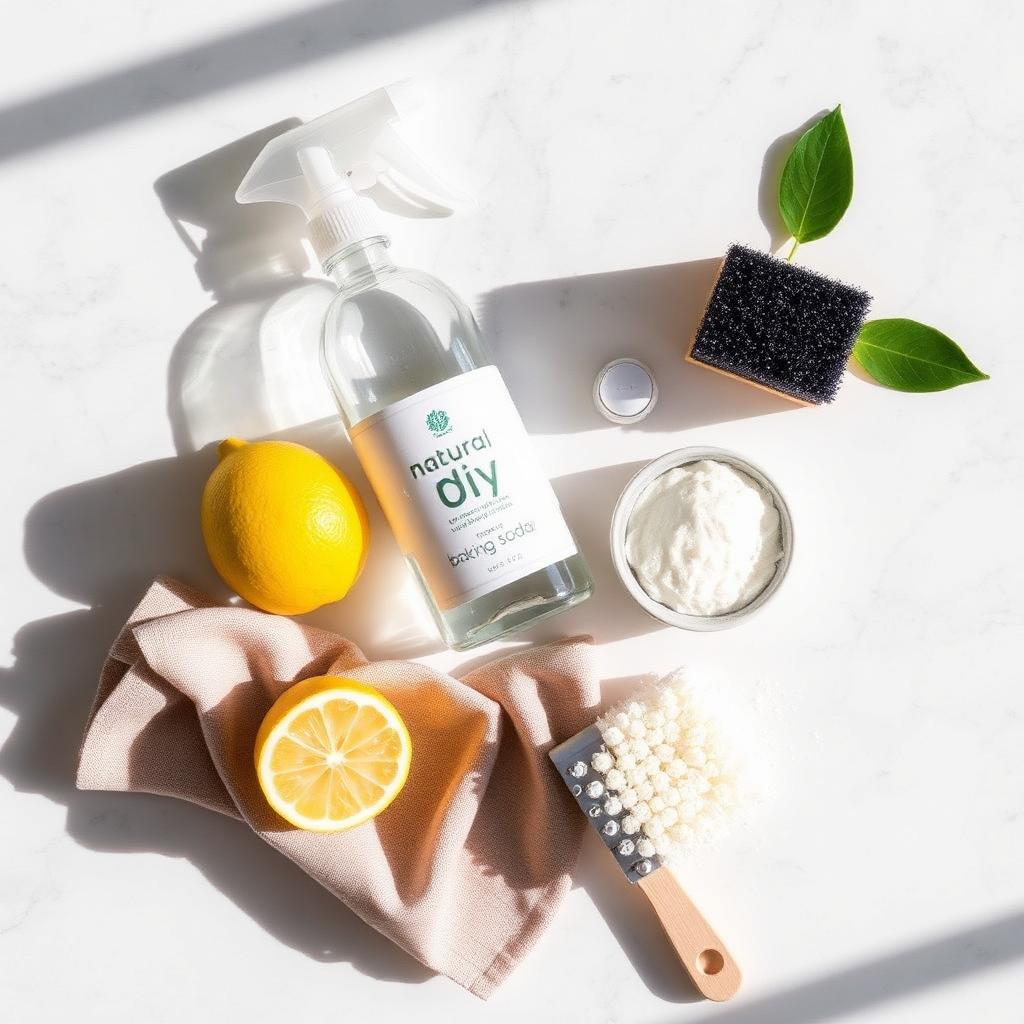
Making your own household cleaners is one of the simplest ways to cut down on plastic bottle waste, skip harsh chemical fumes, and keep a bit of extra cash in your pocket. But here’s the catch: using the wrong blend on delicate materials—like natural marble, timber, or sealed tiles—can leave behind dull spots, scratches, or permanent surface damage.
Every material in your home handles moisture and active ingredients differently. This guide walks through safe, practical DIY recipes tailored for marble, tile, wood, and glass—along with a practical look at when homemade formulas work best and when it pays to call in the professionals.
## Natural Stone: Why Marble Needs Gentle Care
Marble, limestone, and travertine are porous natural materials made mostly of calcium carbonate. That natural composition gives stone its stunning finish, but it also makes it highly sensitive to acids.
Common kitchen ingredients such as white vinegar, lemon juice, or citric acid react instantly with marble, etching the surface. Etching isn't just a surface stain—it physically dissolves the top polished layer, leaving behind permanent dull patches.
### Safe DIY Marble Cleaner Recipe:
* 2 cups warm water
* 1 teaspoon gentle, pH-neutral liquid dish soap
* 2 tablespoons 70% rubbing alcohol (helps it dry streak-free and cuts through light oils)
* How to Use It: Mix the ingredients in a spray bottle. Mist lightly over marble benchtops or tiles, wipe down with a soft microfiber cloth, and give it a quick buff with a dry towel to prevent watermarks.
## Tile and Grout: Lifting Grime Without Stripping Sealants
Ceramic and porcelain tiles are tough and handle basic household cleaners with ease. Grout, on the other hand, is porous and acts like a sponge for dirt, grease, and soap scum. Standard concrete-based grout lines will gradually erode if you scrub them with unbuffered acids over time.
### Safe DIY Tile & Grout Scrub Recipe:
* 1/2 cup baking soda
* 1/4 cup 3% hydrogen peroxide
* 1 teaspoon gentle dish soap
* How to Use It: Stir everything together into a paste. Spread it directly onto grout lines using an old toothbrush or a stiff scrubbing brush. Let it rest for 5 to 10 minutes so it can loosen the build-up, scrub lightly, and rinse well with a damp cloth.
* Quick Tip: For routine mopping on glazed ceramic or porcelain floor tiles, half a cup of white vinegar diluted in a bucket of warm water works well to clear up dull floor haze.
## Finished Hardwood: Protecting Your Floor's Seal
Timber floors bring warmth to a home, but they don't handle excess water well. Standing water can cause boards to swell, warp, or cup over time, while aggressive chemicals gradually wear away protective polyurethane coats.
### Safe DIY Wood Floor Cleaner Recipe:
* 4 cups warm water
* 2 to 3 drops pH-neutral dish soap
* 3 drops pure lavender or cedarwood essential oil (optional, for scent)
* How to Use It: The key here is keeping your mop barely damp, never soaking wet. Spritz the cleaner sparingly onto a flat microfiber mop pad rather than pouring water directly onto the floor. Mop gently along the natural grain of the wood and let it air-dry.
## Streak-Free Glass and Mirrors
Glass surfaces show every single fingerprint and water spot. Many store-bought glass cleaners rely on ammonia, which leaves behind strong fumes and can degrade mirror backings over time. A simple alcohol-based mix evaporates fast and leaves glass spotless.
### Safe DIY Glass Cleaner Recipe:
* 1 cup water (distilled is best to avoid mineral spots)
* 1 cup 70% isopropyl alcohol
* 1 tbsp white vinegar
* How to use it: Spray the glass lightly. Dry thoroughly with a clean, lint-free microfiber cloth or a dedicated waffle-weave glass towel, going from top to bottom in a grid pattern.
### DIY Rules You Must Know
Before you start mixing your own concoctions at home, here are some important safety habits to keep in mind:
* Never Mix Bleach with Vinegar or Ammonia:
* Mixing bleach with acidic or ammonia-based products creates dangerous, toxic chloramine gases.
* Never Combine Vinegar and Hydrogen Peroxide: Storing these two together in the same container forms peracetic acid, which is corrosive and can irritate your eyes, skin, and lungs.
* Label Everything Clearly, always label your spray bottle with what’s in it, when you mixed it, and where it should be used. Keep bottles away from children and pets.
* Always Spot Test: Apply a tiny dab of any new recipe to an out-of-sight corner first to make sure your surface reacts well.
## Everyday DIY Care vs. Professional Deep Cleaning
Gentle DIY recipes are great for handling day-to-day dust, kitchen splatters, and quick mirror touch-ups. But even the best homemade cleaners hit a ceiling when dealing with deep-seated grime, heavy mineral scale, or aged floor sealants.
Striking a balance between your weekly DIY routine and periodic professional cleaning gives you the best outcome for your home:
### Stone Preservation
Daily soap-and-water mists keep marble free of surface dirt, but professional stone technicians use specialized diamond-polishing pads and penetrating sealers to smooth out micro-scratches and block deep staining.
### Deep Grout Restoration
A baking soda paste handles routine spot cleans, but specialized high-pressure extraction equipment used by professional carpet and tile cleaners pulls out embedded grease and bacteria that manual scrubbing simply cannot reach.
### Protecting Your Timber
Regular damp mopping keeps grit off timber floors, but scheduling a professional maintenance polish every year or two reapplies protective layers that save you from expensive floor sanding down the track.
Using safe, gentle DIY formulas takes care of the daily upkeep, while bringing in professional cleaners once or twice a year keeps your home's most valuable materials protected for the long haul.
This article was contributed by a third party. Views are the author’s own and don’t represent an endorsement by BondClean.