The End-of-Lease Cleaning Guide: How to Hand Over Your Keys and Get Your Bond Back
By Kamal, Bond Cleaning Brisbane·
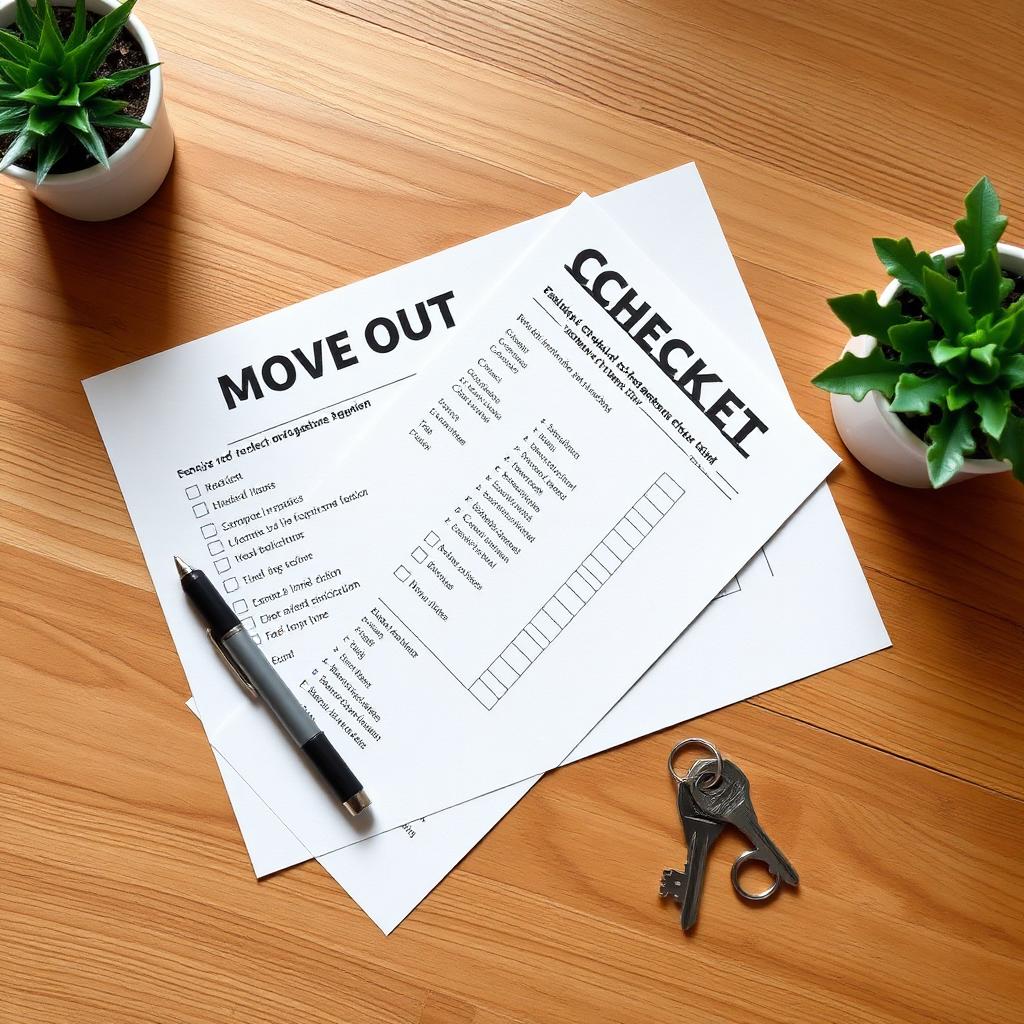
Moving out of a rental is exhausting. Between packing boxes, booking removalists, and transferring your power and internet to a new address, the last thing you want is a drawn-out fight over your bond money.
Tenancy laws across Australia require you to leave a rental in a reasonably clean state, allowing for fair wear and tear. The trick is that real estate agents inspect properties with a fine-tooth comb. They know the exact spots tenants miss when they’re rushing to finish up on move-out day.
If you want to avoid getting called back to re-clean—or worse, having money taken from your bond—here is a straightforward guide on where agents look, what to clean room by room, and how to claim your refund directly.
## The Big Misses: What Agents Check First
Property managers walk into hundreds of rentals a year, and they go straight for the trouble spots. Get these out of the way early so you aren't stuck dealing with them at the last minute.
### Kitchen Appliances
* Inside the Oven: Baked-on grease on the walls, racks, and inside door glass is the number one reason agents deduct money from bonds.
* Rangehood Mesh: The metal filters under the range hood trap sticky cooking oils and need a thorough soak in hot soapy water.
* Dishwasher Base: Food scraps settle in the bottom filter and start to smell if they aren't cleaned out.
## High Dust & Fixtures
* Exhaust Fans: Dust settles thickly inside bathroom and laundry ceiling grilles.
* Ceiling Fans & Light Covers: The top edges of fan blades and the insides of light shades hold onto dead bugs and dust.
* Door Frames: Dust settles along the top horizontal ledges of door frames and picture rails that nobody looks at day-to-day.
## Glass & Tracks
* Window Tracks: Dirt, dead bugs, and grime pack into the bottom tracks of sliding doors and windows.
* Shower Glass: Soap scum creates a cloudy film on shower screens that needs to be thoroughly scrubbed.
* Light Switches: Thumbprints and dark smudges collect on light switches and door handles.
## Checklist per Room
### Kitchen
* Oven & Grill: Pull out the racks and soak in hot water with degreaser. Clean the inside walls and the glass door until the burnt grease is gone.
* Range hood: Take out the mesh filters and soak in boiling water with dish soap to loosen oil build-up.
* Cabinets & Drawers: Empty all items, vacuum crumbs from back corners, and wipe shelves, door fronts, and handles.
* Sink & Taps: Scrub the sink, clear the waste strainer of any food bits, and polish the taps to remove water marks.
### Bath & Laundry
* Shower & Tiles: Remove soap build-up, body oils, and water spots from glass screens and tiles.
* Mold: Spray and wipe away any surface mold on silicone sealant or grout lines.
* Toilet: Disinfect the bowl, seat, lid, hinges, and the porcelain base down near the floor.
* Vanity: Clear out medicine cabinets and under-sink drawers, then polish the mirrors with glass cleaner.
### Bedrooms and Living
* Walls: Use sugar soap and warm water on a soft cloth to spot-clean scuffs and smudges. Don't use scrubbing pads or you'll scrub the paint right off.
* Wardrobes: Dust the tracks of sliding wardrobe doors, wipe the inside shelves down, and clean any mirror doors you have.
* Windows & Blinds: Wipe down internal glass, clear out the sills, vacuum dirty tracks, and dust blind slats one by one.
### Outdoor Areas & Garage
* Carpets: Vacuum thoroughly. If you have pets, check your lease—most states require a professional carpet steam clean or flea treatment if animals lived indoors. Keep your tax receipts.
* Hard Floors: Sweep and mop timber, tile, or vinyl floors, getting right into corners and along skirting boards.
* Balcony & Patio: Sweep the floor, clear cobwebs from overhead eaves, and wipe down railings.
* Garage Floor: Sweep out leaves and dust. If your car leaked oil, cover fresh drips with kitty litter or degreaser to soak it up before scrubbing the concrete.
## Fair Wear and Tear vs. Actual Damage
Understanding the difference between normal aging and actual damage stops you from paying for things that aren't your fault. Under Australian law, you are not financially responsible for fixing fair wear and tear caused by everyday living.
### Fair Wear & Tear (You do NOT pay for this)
* Carpet wearing thin in high-traffic hallways
* Curtains fading from direct sunlight
* Minor scuff marks on walls near light switches
* Tarnished door handles or loose fittings from age
* Faded paint over a multi-year lease
* Tenant Damage (You ARE responsible for this)
* Carpet stains, burn marks, or pet damage
* Broken window glass or torn flyscreens
* Large holes drilled in walls from unapproved picture hooks
* Deep gouges or heavy scratches in timber floors
* Heavy grease or mould build-up caused by neglecting regular cleaning
* Rule of thumb: Always compare how the place looks today against your original entry condition report before agreeing to any deductions proposed by the agent.
## How to Claim Your Bond Back Direct
You don't need to sit around waiting for your property manager to initiate your refund. In almost every state and territory, tenants can lodge a claim directly through the state's online bond portal as soon as they hand back the keys.
### 1. Take Photos of Everything
Take clear photos and videos of every single room, appliance interior, floor area, and outdoor space right after you finish cleaning. Date-stamped photo evidence is your best defense if a dispute goes to a state tribunal (like NCAT, VCAT, or QCAT).
### 2. Give Back the Keys
Return all issued keys, garage remotes, and access fobs to your property manager by the agreed deadline and ask for a written receipt.
### 3. Submit Your Claim Online
Log into your state's online bond portal directly after returning the keys:
* NSW: Rental Bonds Online (RBO)
* Victoria: Residential Tenancies Bond Authority (RTBA)
* Queensland: Residential Tenancies Authority (RTA Web Services)
* WA, SA, TAS, ACT, NT: Respective state bond portals.
Once you lodge your claim, the bond authority notifies your agent. The agent gets a set window (usually 14 days) to either approve the refund or formally dispute it with evidence. If they don't challenge your claim within that window, the bond authority pays the money straight into your bank account.
This article was contributed by a third party. Views are the author’s own and don’t represent an endorsement by BondClean.