The Complete Home Sanitation Manual: DIY Techniques, Schedules, and Safety Standards
By Kam, Bond Cleaning Logan·
Keeping a house fresh and clean is an ongoing job for any household. But there is a huge difference between a quick five-minute tidy-up before visitors arrive and giving your place a thorough, proper scrub.
Running a vacuum over the floor or wiping toast crumbs off the kitchen bench makes things look neat on top. But getting rid of stubborn grease, soap scum, and sticky mess requires a clear plan, reliable methods, and safe habits.
Here is a straightforward guide covering simple homemade spray recipes, realistic weekly schedules, and basic safety rules so you can keep a clean home without losing your entire weekend to housework.
## The Basics: Cleaning, Sanitising, and Disinfecting
But before you reach for a rag and spray down your benchtop, it helps to understand what exactly each step is doing:
Cleaning is your daily job. It cleans surface dirt, dust, food crumbs, and grease with warm water, soap, and elbow grease. Cleaning will eliminate most of the dirt, but not all bugs will be killed on contact.
* Sanitizing: This stage reduces bacteria counts to safe levels as per health guidelines and prevents the spread of sickness around the house.
*Disinfecting: The use of certain household chemicals to attack and kill bacteria, fungi, and viruses on hard surfaces. Disinfectants have to stay wet on a surface for a certain period of time—often called contact time—before you wipe them away for them to work as intended.
As a rule of thumb, always clean before you attempt to disinfect. Spraying a disinfectant over grease, oil, or a thick layer of dust stops the product from reaching the actual surface underneath.
## Simple DIY Cleaning Recipes Made from Pantry Staples
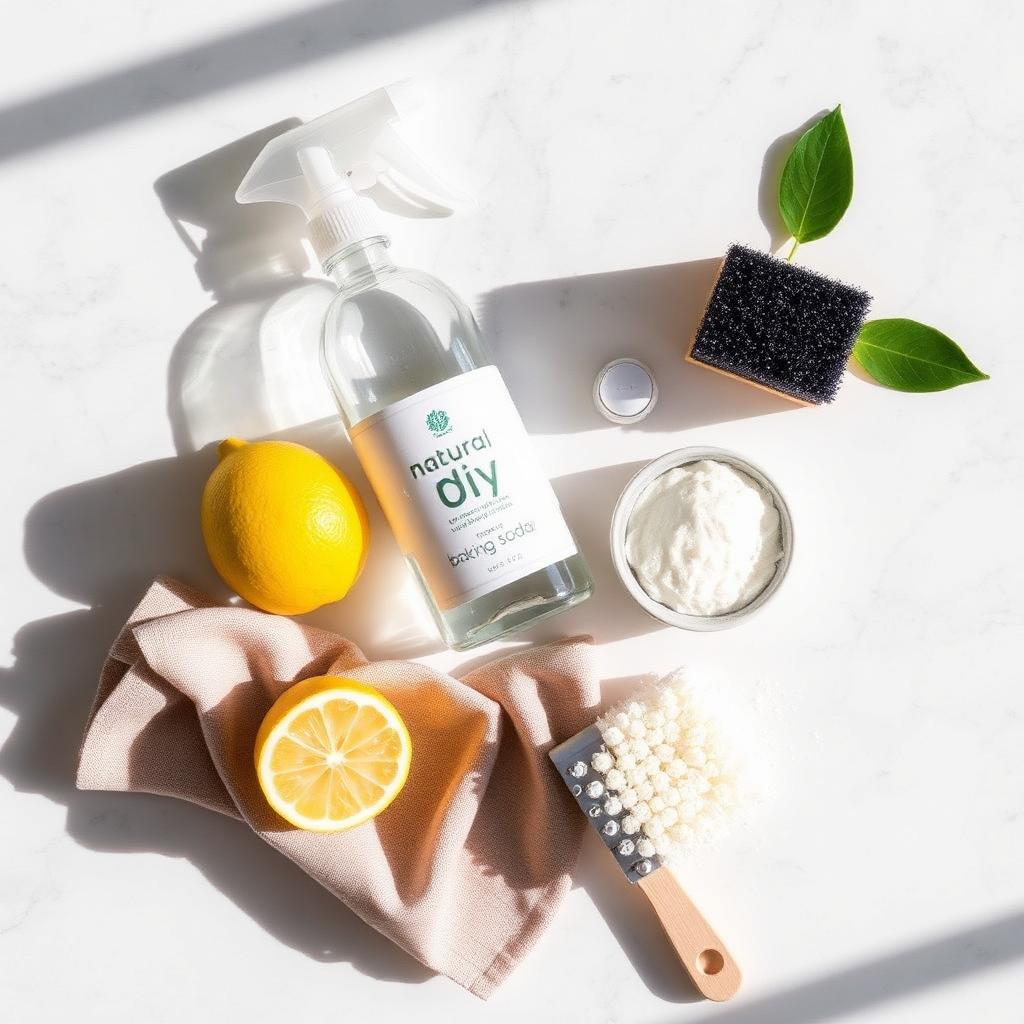
Mixing your own cleaning spray at home saves cash, cuts down on plastic bottles, and keeps strong fumes out of your house. Here are three handy recipes you can whip up in minutes.
### 1. Everyday Multi-Surface Spray
Great for laminate kitchen benches, splashbacks, ceramic tiles, and plastic fittings.
#### Ingredients:
* 1 cup tap water
* 1 cup white distilled vinegar
* 10 to 12 drops of essential oil (lemon, eucalyptus, or tea tree)
* Method: Pour everything into a spray bottle, give it a gentle shake, spray onto surfaces, and wipe clean with a soft cloth.
* A quick warning: Never use vinegar on natural stone like marble, granite, or limestone. The natural acid in vinegar can dull polished stone over time.
### 2. Baking Soda Scrub for Sinks & Grout
Works great on soap scum in the shower, sink basins, cooktops, and tile grout lines.
#### Ingredients »
* 1/2 cup baking soda
* 2 tablespoons dish soap (liquid)
#### 1 tablespoon water from the tap
* Method: To make the paste, combine in a bowl. Use a sponge, and apply with a gentle rubbing motion in small circles, then rinse away with warm water.
### 3. Streak-Free Mirror and Window Cleaner
Cleans toothpaste splashes and fingerprints from bathroom mirrors, glass shower screens, and windows without streaks.
#### Ingredients:
* 1 cup rubbing alcohol (isopropyl alcohol)
* 1 cup tap water
* 1 tablespoon white vinegar
* Method: Mix the liquids in a spray bottle, mist lightly onto glass, and wipe off straight away using a dry microfiber cloth.
#### Household Chemical Safety Rules
Even when you are mixing gentle pantry items or using standard supermarket products, safety always comes first. Australian consumer guidance sets out simple rules for storing and handling home cleaners safely.
#### Safety Rules to Live With
Never mix bleach with vinegar or ammonia. Mixing chlorine bleach with acidic materials, such as vinegar, drain cleaners, or ammonia, produces poisonous chloramine gas. Inhaling these fumes causes coughing, breathing problems, and irritation of the lungs.
* Label Each Spray Bottle: Be sure to label each homemade spray bottle with what is inside, when it was mixed, and a warning to keep it out of reach of children.
* Allow Fresh Air to Circulate: When you’re cleaning, open a window or switch on bathroom exhaust fans and kitchen rangehoods to keep the fresh air circulating.
* Protect Your Hands: Put on a pair of household rubber gloves so your skin doesn’t dry out or get irritated by dish soaps and rubbing alcohol.
* Store Supplies Safely: Keep all cleaning products stored away in a cool cupboard well out of reach of young children and pets.
## A Realistic Cleaning Schedule For Your Home
It's tiring trying to do every room in the house in one day. Break your chores down into small habits throughout the week, and your home will run smoothly without eating up your weekends.
### Daily Habits (5-10 min)
* Clean kitchen benches, cutting boards, and dining tables after eating.
* Wash dinner dishes and rinse the inside of the sink basin.
* Give high-touch areas like door handles, light switches, fridge handles, and taps a quick wipe-down.
* Hang up wet bath towels so they dry out properly and don't turn musty.
### Chores (weekly 30-45 min)
* Vacuum carpets and rugs; mop wood, tile, or vinyl floors.
* Clean the toilets, bathroom sinks, and shower screens.
* Disassemble the beds and put the sheets in warm water for washing.
* Clean the inside of the microwave, cooktop, and appliance fronts in the kitchen.
### Monthly and Seasonal Tasks
* Clean out kitchen appliances—oven, dishwasher filter, and washing machine seal.
* Dust high spots like ceiling fan blades, door frames, light fixtures, and skirting boards.
* Vacuum window tracks, blinds, and drapes.
## Knowing When to Call in Professional Cleaners
A steady DIY routine keeps your home running smoothly from day to day, but some household jobs demand commercial gear, heavy-duty hot water extraction, and experienced hands.
* General Day-to-Day Upkeep: Simple enough to manage on your own, though hiring a regular cleaner frees up precious hours for busy working parents and professionals.
* Deep Carpet Stain Removal: Household vacuum cleaners only pick up dry surface dirt. High-heat steam extraction equipment removes dirt that is deeply embedded, pet hair, or stubborn spills in carpet fibers.
* End of Lease / Move Out Cleans: Returning keys to a rental property means a top-to-bottom clean to stringent real estate agency checklists. Hiring a professional bond cleaning service will save you time and help protect your rental deposit.
* Severe Mold Problems: Scrubbing large areas of mold with a damp cloth can release spores into the air, spreading the problem to other rooms. Always have serious mold growth or water damage taken care of by certified specialists.
* Post-Renovation Cleanups: Fine building dust settles everywhere after home building work, including deep inside air vents and light fittings. Professional teams use heavy-duty HEPA vacuums to clear out fine dust safely.
## Give Your Home the Care It Needs
Basic DIY recipes and weekly routines are great for keeping things under control, but bringing in a fully insured professional cleaning team gives your property a level of care that standard household tools simply cannot match. Professional cleaners are experts in the use of commercial-grade equipment, family-safe products, and detailed checklists to make sure every room looks spotless.
Whether you’re preparing to move, struggling with stubborn carpet stains or just want to hand off weekly tasks to a trusted group, professional cleaning services make home maintenance simple so you can use your free time to enjoy it.
This article was contributed by a third party. Views are the author’s own and don’t represent an endorsement by BondClean.