Know Your Renter Rights: The Professional Playbook for Australian Tenancy & Lease Management
By Deep, Bond Cleaning Service Brisbane·
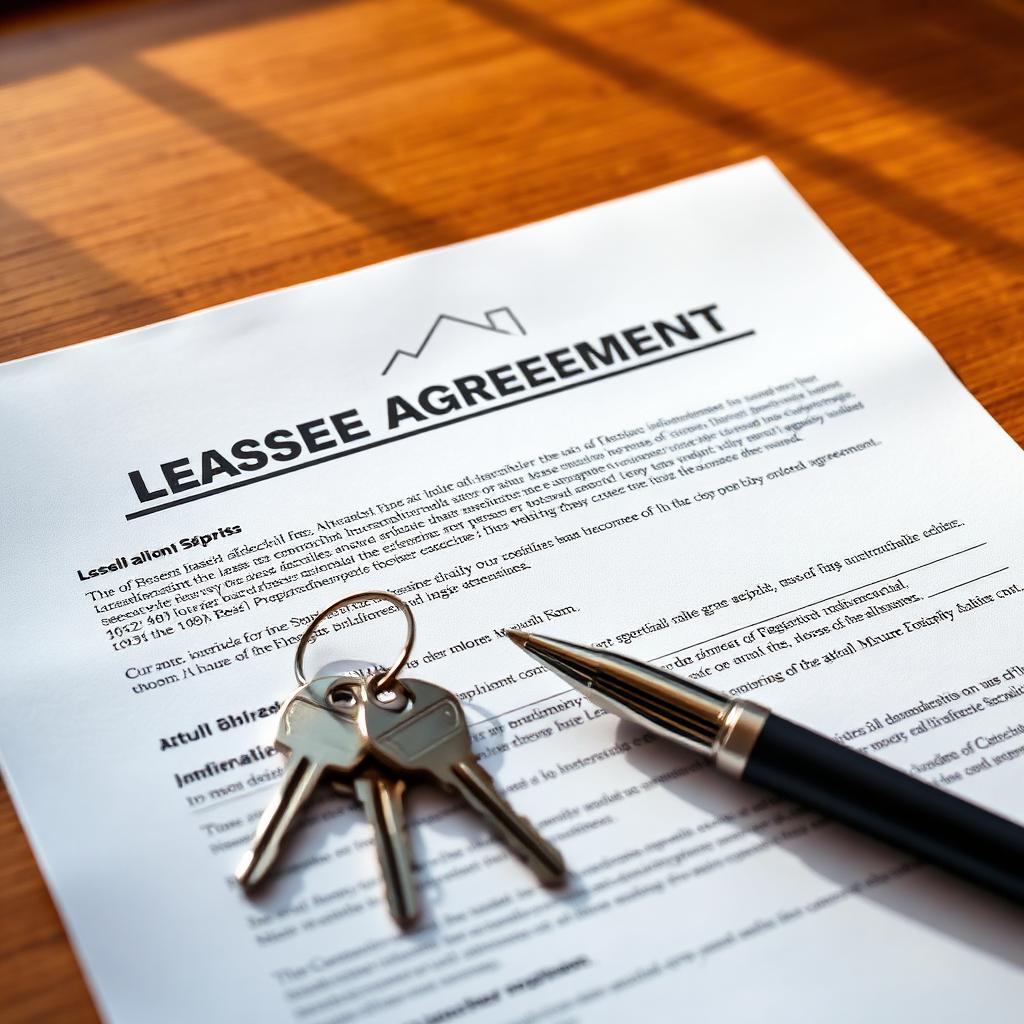
Moving out of a rental home in Australia is rarely a smooth ride. Between packing up your stuff, getting the power turned on at your new place, and worrying about the final inspection, handing back your keys comes with plenty of stress.
Whether you are finishing up a lease in Sydney, moving across Melbourne, or handing back keys in Brisbane, knowing where you stand legally makes the whole job much easier.
Here is a practical guide to your basic rights, the difference between normal wear and tear and actual damage, and how bringing in professional cleaners can save your bond.
## 1. Fair Wear and Tear vs. Actual Damage
The final walkthrough with your agent is usually where arguments start. Australian tenancy laws—run by state offices like NSW Fair Trading, Consumer Affairs Victoria, and Queensland’s Residential Tenancies Authority (RTA)—draw a clear line between fair wear and tear and tenant damage.
### What Counts as Fair Wear and Tear?
Fair wear and tear is just the normal aging of a house from everyday living. Your landlord cannot legally hold back your bond money or charge you to fix these things.
#### Common examples include:
* Curtains or blinds faded by the sun
* Carpet pile that has flattened down in hallway doorways
* Faded wall paint, tiny hairline cracks in plaster, or old cabinet handles
* Slight scuffs on timber floors from normal walking
### What Counts as Damage?
Damage happens when something breaks because of an accident, neglect, misuse, or a complete lack of basic care.
#### For example:
* Deep stains in carpet from pet accidents, red wine, and bleach.
* Mold growing unchecked for months in unventilated bathrooms
* Burned kitchen benches baked on thick oven grease, broken door handles
* Pets scratched floorboards
Performing the basic weekly chores as you lease will prevent everyday dirt from turning into permanent marks that could cost you money down the road.
## 2. Cleaning at the End of the Lease—The Law
Under Australian law, when your tenancy ends, your legal responsibility is simple: you must leave the property in a reasonably clean condition—as clean as it was when you first moved in (as noted in your original Condition Report).
### Can landlords make you hire professional cleaners?
You will often find clauses in leases written by property managers that require you to use commercial cleaners or steam clean the carpets. But state law protects you from unreasonable demands:
* New South Wales & Victoria: Landlords generally cannot force you to pay for professional carpet cleaning unless you agreed to it as a condition for keeping a pet or if you left the carpets filthy or damaged.
* Queensland & Western Australia: The rule goes back to your original entry report. You only need to hand the home back in the same clean state you found it, minus normal wear and tear.
Even with those rules, real estate agents check exit cleans very closely. They check oven racks, rangehood filters, window tracks, ceiling fans, and bathroom grout with a sharp eye. Leaving those spots dirty is the fastest way to delay your bond refund.
## 3. How Hiring Professional Cleaners Protects Your Money
Your bond money stays locked away with an independent government office until both you and your agent sign off on it. Booking an end-of-lease cleaning crew is one of the easiest ways to get that money back without an argument.
### Here is how hiring professionals helps you:
#### Re-Clean Guarantees Take Away the Stress
Good exit cleaning companies offer a 72-hour guarantee. If your real estate agent finds a missed spot—like dust along the skirting boards or grease inside the oven—the cleaners go back and fix it for free. That takes the pressure off you and stops the agent from making claims against your deposit.
#### Cleaning Receipts Count as Proof
Handing over a tax invoice from a cleaning company when you return your keys proves you took your move-out duties seriously. It cuts out silly arguments about what counts as "clean" and gets your paperwork signed faster.
#### Saves You Days of Heavy Scrubbing
Moving house is tiring. Trying to scrub an entire house top-to-bottom on your own after days of packing takes forever. Handing the hard work over to experts lets you focus on moving into your new place.
## 4. Do It Yourself or Get Someone to Help
* Ovens & Grills: Baked on grease takes hours of hard scrubbing with store spray. “Professional cleaners use powerful degreasers to break down grease fast.
* Carpet Steam Cleaning: Carpet machines that you can rent often leave carpets soaking wet, which can cause water marks or bad smells. Professional equipment that lifts deep dirt and pulls out water dries carpets quickly.
* Window Tracks & High Blinds: Dust gathers in narrow window tracks. Professional crews have thin tools that can get into tight gaps and clear them out quickly.
* Bathroom Tiles: Adequate commercial cleaners are required to remove soap scum and water marks and clean the tiles without scratching.
## 5. Simple Ways to Get Your Bond Back Fast
This is a simple plan to follow when you’re ready to hand over the keys:
* Verify Your Original Entry Report: Check the notes and photos you took when you moved in. You just have to reproduce that initial condition.
* Book Your Clean: Schedule your cleaners for a day after all your furniture, boxes, and personal items are completely out of the house.
* Claim Your Bond Online Right Away: In most states (like Rental Bonds Online in NSW or RTBA Online in Victoria), you can apply for your bond refund online yourself the moment you hand back your keys. You do not have to wait for the agent to do it first.
* Take Your Receipt to the Inspection: Walk through the property with the property manager during their final check if you can, and hand them a copy of your cleaning receipt.
Knowing your rights, keeping good records, and getting help for the big jobs will keep your move simple and put your hard-earned money back in your bank account.
* Disclaimer: This article gives general info about renting in Australia and is not formal legal advice. If you have an active dispute with your landlord, contact your local state tenants' advice service or legal aid centre.
This article was contributed by a third party. Views are the author’s own and don’t represent an endorsement by BondClean.