How to Remove Any Stain: 8 Natural DIY Cleaners That Save Your Furniture
By Kamal, Bond Clean Sydney·
We’ve all been there—a split-second distraction, a tipped mug, and suddenly your favourite armchair has a massive dark spot on the cushion. It’s stressful, but before you panic-buy expensive chemical sprays or start shopping for slipcovers, head straight to your kitchen pantry.
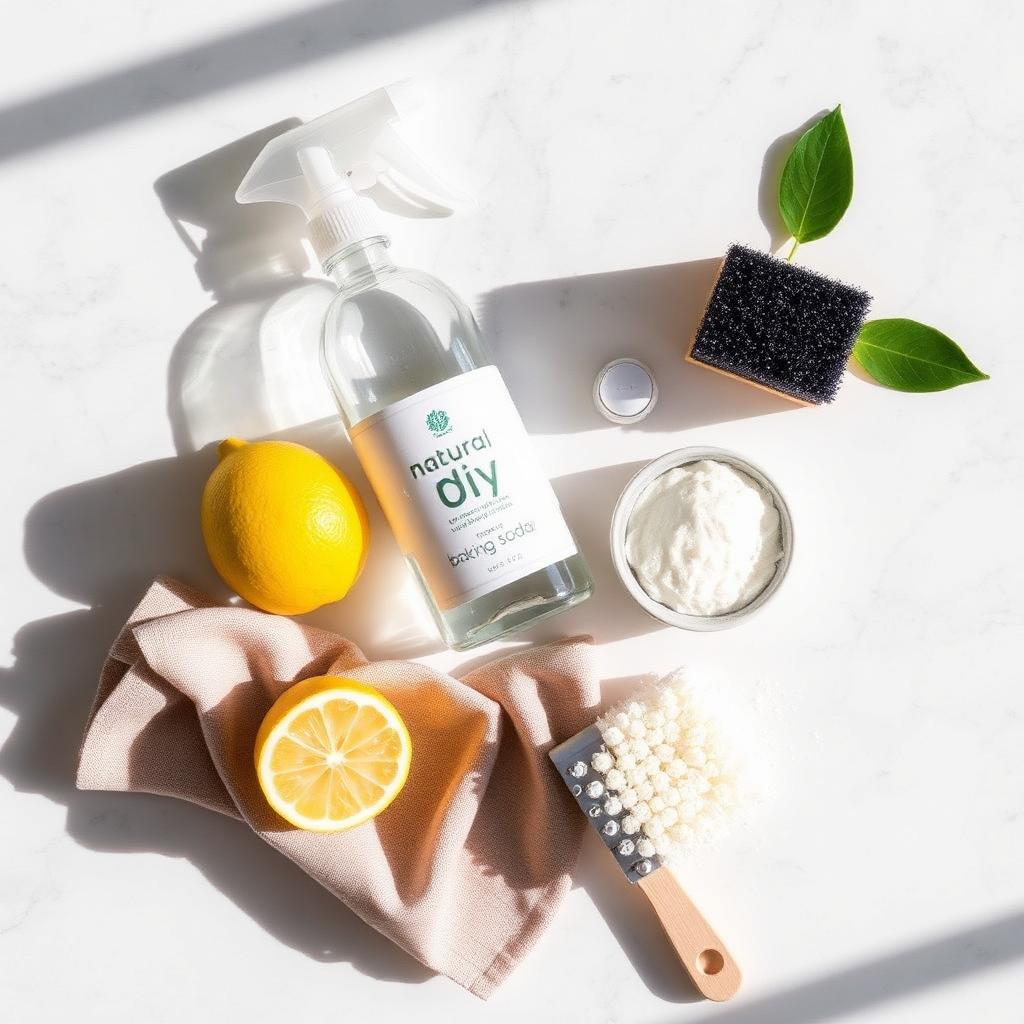
You can knock out most everyday spills using basic ingredients like baking soda, white vinegar, and plain salt. Here is a practical, realistic guide to tackling common furniture stains at home—plus how to know when a spill actually needs a pro.
## The Unwritten Rules of Stain Removal
Before you dive in with a scrub brush, keep these ground rules in mind so you don't accidentally turn a small spill into a permanent mess:
* Act fast: Fresh liquid sits on top of fabric weaves for a few minutes. Once it dries and sets into the padding underneath, getting it out takes double the effort.
* Blot, don't rub: Scrubbing wears down fabric fibres, creates fuzzy patches, and shoves the liquid deeper into the cushion core. Use a clean cloth and press down firmly to soak it up instead.
* Work from the outside in. Begin at the outer edge of the spill and work toward the centre. This stops the ring from reaching a bigger circle.
* Check the care tag first: Search under the cushions or along the bottom frame for the care code:
* W: Water-based cleaners are safe to use.
* S: Water will leave permanent spots. Use solvent-based cleaners only.
* S/W: Safe for either solvents or water.
* X: Vacuum only. DIY liquids will ruin this fabric—call a professional.
## 8 Pantry-Safe DIY Cleaning Hacks
### 1. Coffee and Tea: White Vinegar & Dish Soap
* Best for: Woven synthetic fabrics, cotton-blend couches, and dining chairs.
* What you need: 1 cup warm water, 1/2 cup white distilled vinegar, 1/2 teaspoon liquid dish soap.
The acid in white vinegar cuts right through the tannins that give coffee and tea their deep colour. Mix the ingredients in a bowl, dip a microfiber cloth into the liquid, and gently dab at the mark. Let it sit for about five minutes so it can break down the spot. Finish by patting the area dry with a clean, cool, damp towel and then pressing it dry with a paper towel.
### 2. Red Wine: Salt & Club Soda
* Best for: Fresh wine spills on sturdy upholstery fabrics.
* What you need: Plain club soda and table salt.
Dab up as much excess liquid as you can right away. Next, pour a splash of club soda over the spot—the carbonation helps push the pigment up out of the weave. Immediately cover the wet spot with a thick layer of regular table salt. As the salt dries, it pulls the liquid and pigment straight out of the fabric. Once it turns hard and crusty, vacuum it all up.
### 3. Cooking Oil & Grease: Baking Soda
* Best for: Butter, salad dressing, or pizza grease on fabric cushions.
* What you need: Plain baking soda or cornstarch.
Water won't break down oil; you need something that absorbs it. Dust a heavy layer of baking soda directly onto the oily patch and leave it completely alone for 45 minutes. The powder will slowly draw the grease out of the fibres. Vacuum up the powder, and if a faint ring stays behind, work a drop of clear dish soap diluted in warm water into the spot with your fingers, then wipe clean with a wet towel.
### 4. Pet Mishaps: Hydrogen Peroxide & Baking Soda
* Best for: Urine or vomit spots on durable, light-colored sofas and mattresses.
* What you need: 1 cup 3% hydrogen peroxide, 3 tablespoons baking soda, a couple of drops of dish soap.
Mix the ingredients gently in a spray bottle and mist the area until it’s damp. Hydrogen peroxide breaks down organic matter while baking soda locks in the ammonia smell. Let it air-dry completely. Any leftover white powdery film can just be vacuumed off once it's dry.
(A quick warning: Hydrogen peroxide can lift colour out of dark or dyed fabrics. Always test this on an unseen piece of fabric on the back of the couch first.)
### 5. Ink & Pen Marks: Rubbing Alcohol Suitable for: Ballpoint pen leak on microfiber or tight synthetic material.
* What you should have. Cotton balls and isopropyl alcohol (rubbing alcohol).
Soak a cotton ball in rubbing alcohol and press it firmly against the ink mark. Don't drag or rub it across the fabric, or you'll smear the ink line into a faint blue cloud. You'll see the ink lift off the couch and transfer right into the cotton. Switch to a fresh cotton ball as soon as it gets dirty. Once the mark is gone, wipe down the spot with a damp cloth to rinse out the alcohol.
### 6. Water Rings On Wood: Olive Oil & Vinegar
* Best used on: White water rings on hardwood tabletops, chair legs or arms.
* What you’ll need: Olive oil and white vinegar, in equal parts.
Mix both in a small dish, dip a soft cotton rag into the mixture, and gently rub along the natural grain of the wood over the mark. The vinegar helps pull out the trapped moisture under the finish, while the olive oil hydrates the wood so it doesn't look chalky. Polish it off with a dry rag when you're done.
### 7. Dried Blood: Cold Salt Paste
* Best for: Mattress covers and heavy canvas fabrics.
* What you need: Cold water and table salt.
Never put warm or hot water on blood—heat cooks the proteins and locks the stain into natural fibres permanently. Stir two tablespoons of salt into just enough ice-cold water to form a thick paste. Spread the paste right over the mark and let it sit for 20 minutes. Take a cold, damp cloth and carefully blot away the paste, working from the edges inward so it doesn't spread.
### 8. General Grime: Gentle Castile Soap.
* Best for: General dirt on microfiber, polyester or velvet sofas.
* What you need: 2 cups warm water and 1 tablespoon liquid Castile soap.
Whisk the soap into the water until you get a good layer of suds on top. Dip a clean microfiber towel into just the foam, wring it out completely so it feels barely damp, and give your couch cushions a gentle wipe-down. This lifts everyday skin oils and dust without soaking the foam underneath. Follow up with a dry towel to absorb any leftover moisture.
## Australian Safety & Standards for Consumers
Natural ingredients are generally much safer than heavy industrial chemicals, but remember these basic safety rules:
* Never mix bleach with acids: Mixing bleach with vinegar, ammonia, or hydrogen peroxide makes poisonous gas. Stick to simple single-ingredient fixes.
* Respect the care codes: Under Australian Consumer Law, manufacturers list care instructions on household goods for a reason. Applying DIY water mixes to "S" or "X" coded delicate fabrics (like raw silk, suede, or vintage velvet) can ruin the weave, cause water rings, or void your furniture warranty completely.
## When DIY Isn't Enough (And What to Do Instead)
Pantry hacks work wonders for fresh, everyday accidents, but they have real physical limits. Pouring too much liquid on a stain or scrubbing at a delicate weave can easily cause waterlogging, internal mould growth in the cushion foam, or permanent fabric wear.
### It's usually time to step back and call in a professional upholstery cleaner if:
* The care tag says "S" or "X": These fabrics need specialised dry-cleaning solvents or dry extraction machinery that you can't replicate with home remedies.
* The spill drained deep into the padding: Drenching a couch cushion with DIY liquid solutions can trap moisture in the foam, resulting in unpleasant mildew odours that you can’t wash out.
* The fabric is high-end or fragile: Materials like genuine leather, raw timber trim, silk blends, or vintage fabrics require balanced, pH-neutral treatments and controlled heat extraction.
* The stain is old and set-in: Dried, deeply embedded marks usually require high-pressure hot water extraction (steam cleaning) to lift without scorching or frying the fabric fibres.
Using quick DIY tricks for fresh spills while getting a thorough professional steam clean once a year is the best way to protect your furniture investment and keep your home looking—and smelling—fresh for years to come.
## Dealing with a stubborn spill that just won't budge?
Don't risk ruining your favourite lounge. Contact our professional upholstery cleaning team today for a quick, no-nonsense quote, and let us bring your furniture back to life safely!
This article was contributed by a third party. Views are the author’s own and don’t represent an endorsement by BondClean.