
How to Get Rid of Bathroom Mold and Mildew for Good
By Luice Phillpe, Bond Cleaning Sunshine Coast·
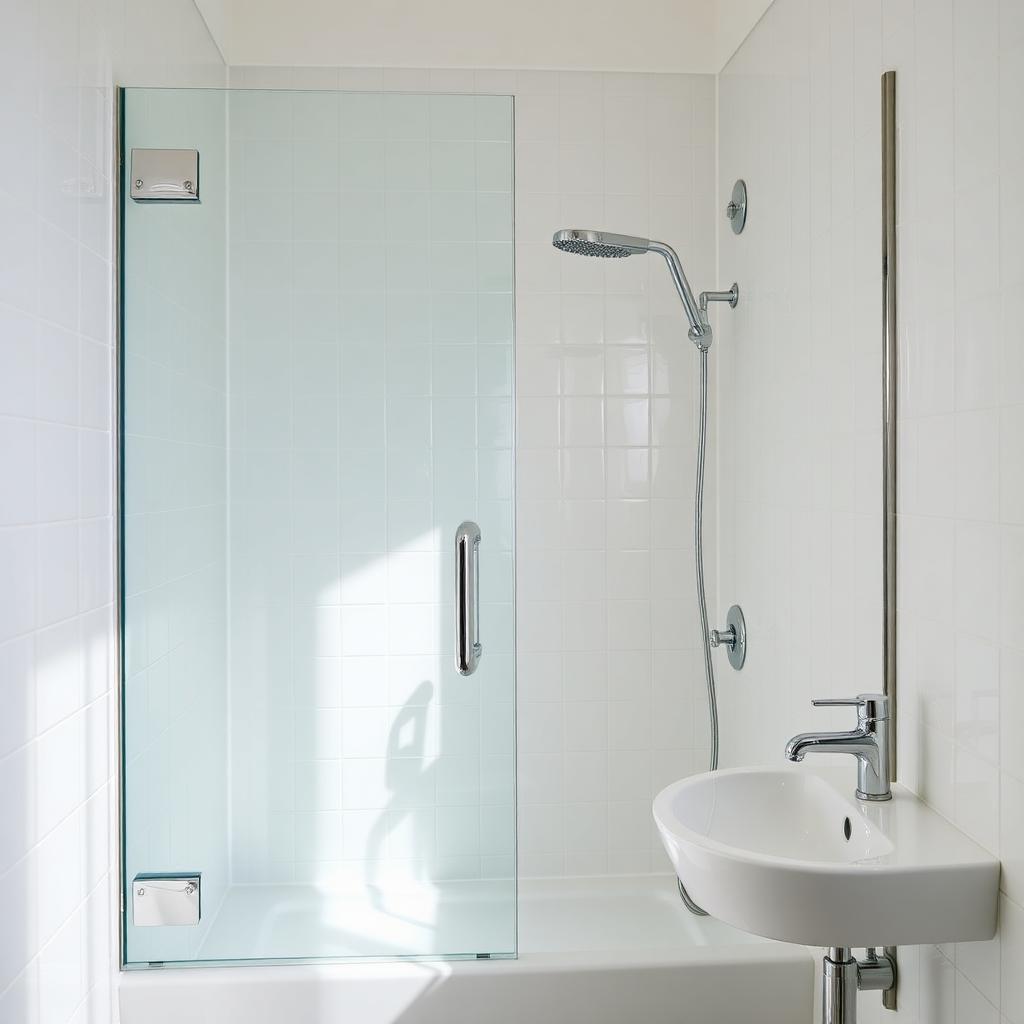
If you’ve ever noticed dark patches creeping along your grout or caught that unmistakable damp smell the second you walk into your bathroom, you know how annoying mold can be. Because bathrooms stay warm and steamy, they’re practically designed for mold to move in and take over.
Slapping some bleach on it might clear things up for a few days, but if you don’t fix what’s causing it, those spots will be back next week. Getting rid of mold for good comes down to two things: treating what’s there properly and changing the environment so it can't grow back.
## Mold vs. Mildew: What Are You Really Dealing With?
Before grabbing a brush, it helps to know what you’re up against:
* Mildew: Usually looks flat, powdery, and grey or pale yellow. It stays on top of the surface, so it’s usually easy to wipe away with regular cleaners.
* Mold: Darker, fuzzy, and much more stubborn. Mold likes to root down deep into porous materials such as tile grout, drywall, and silicone sealant, making it a lot harder to get rid of.
Both require stagnant air and damp air. Showers produce a lot of moisture, so keeping them out is mostly a matter of controlling humidity.
### A Few Basics Before You Start Scrubbing
Mold cleaning disturbs spores and uses powerful products. You don't need a hazmat suit, but a few basic steps will keep you safe:
* Protect yourself: Put on heavy rubber gloves, basic eye protection, and a simple mask so you aren't breathing in airborne spores or harsh fumes.
* Get air moving: Crack a window and switch on the exhaust fan before you start.
* Never mix products: This is the big one—never combine bleach with vinegar, ammonia, or other household cleaners. Mixing them creates dangerous toxic gases. Pick one method and stick to it.
## Step-By-Step: How to Remove the Buildup
### 1. Choose the Right Fix for the Surface
* For Tiles, Glass, and Acrylic: Plain white vinegar works better than standard bleach because it actually penetrates porous materials instead of just sitting on top. Spray it straight onto the area, let it sit for about an hour, scrub, and rinse.
* For Grout and Silicone: Grout holds water like a sponge. Mix baking soda with a little water to form a thick paste, rub it into the grout lines, and spray a bit of vinegar over it. Let it bubble up, then scrub it out.
* A quick note on silicone: If mold has managed to get **behind** your silicone sealant, scrubbing the surface won't fix it. You'll need to carefully slice out the old sealant, treat the gap beneath it, let it dry completely, and lay down a fresh bead of silicone.
### 2. Scrub, Rinse, and Dry Properly
Use a stiff nylon detail brush or an old toothbrush for grout lines. Avoid wire brushes—they scratch up tile glazes, creating microscopic grooves where mold can hide even easier next time.
When you're done scrubbing, rinse everything thoroughly with clean water and dry the whole area off with a microfiber cloth. Leaving standing water behind just gives lingering spores a reason to start growing again.
## Never Letting It Go Again
Removing existing mold is only part of the work. Stopping it from coming back requires a quick everyday routine:
* Squeegee after showers: Spending 30 seconds wiping down glass doors and walls removes most of the water before it can sink into the grout.
* Run the fan longer: Leave your exhaust fan on while you shower and let it run for another 20 minutes after you turn off the water to pull out lingering steam.
* Keep the door cracked: When the bathroom isn't in use, leave the door open a few inches so fresh air keeps moving through the space.
* Wash bath mats weekly: Wet mats sitting on tile trap moisture underneath, creating an ideal spot for mildew to thrive.
## When to Call in a Local Cleaning Service
Handling a small patch of mold on your tiles is straightforward, but sometimes the problem is just too big, or you simply don't have the time to deal with it.
If you're dealing with heavy buildup, recurring spots, or years of soap scum that standard off-the-shelf products aren't touching, bringing in a reliable house cleaning service can save you a massive headache. Professional cleaners have the heavy-duty equipment, proper products, and experience needed to deep-clean high tiles, exhaust vents, and stubborn grout lines safely.
Whether you need a full reset with a deep clean or ongoing help to keep dampness and grime from taking over, a professional team can do the heavy lifting so you don't have to spend your weekend on your knees scrubbing tiles.
This article was contributed by a third party. Views are the author’s own and don’t represent an endorsement by BondClean.