How I Stopped Scrubbing My Bathroom Shower (And Why You Should Too)
By Karen, Bond Cleaning Brisbane·
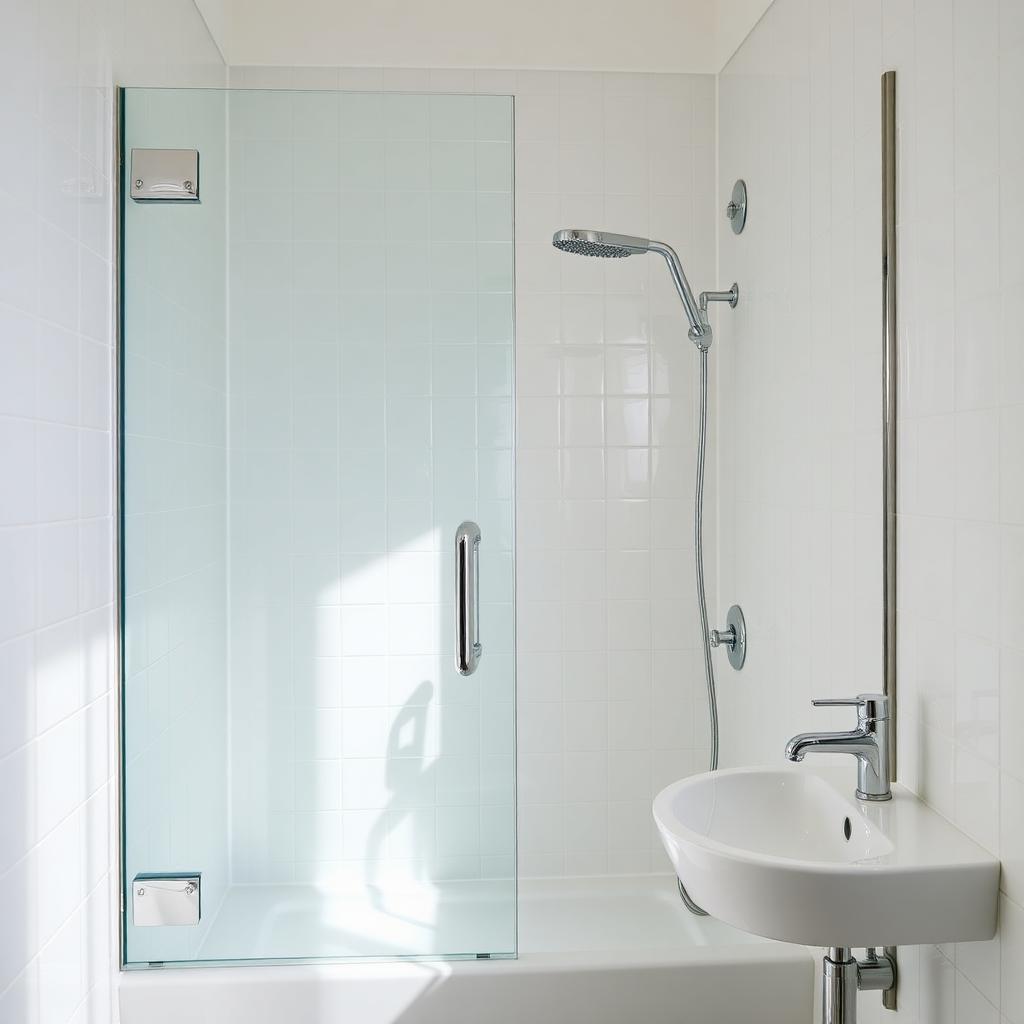
If you ask ten people to rank their worst household chores, at least eight of them will put cleaning the bathroom glass at the top of the list. We’ve all been there: standing in a warm shower with a heavy-duty spray bottle, coughing on chemical fumes, and scrubbing until our wrists ache just to get rid of that cloudy white haze on the glass.
## The worst part? A week later, it looks like you never touched it.
For a long time, I assumed the answer was simply finding a stronger cleaner or a stiffer brush. But after talking to surface restoration experts and digging into how glass actually reacts to hard water and soap, I realized something surprising: the harder you scrub, the more often you’ll have to do it.
Here is how soap scum actually works, why your current cleaning routine is probably working against you, and the simple habits that will keep your bathroom looking clean without eating up your weekends.
## The Nasty Truth About Scrubbing
The first step to solving the problem is to find out what soap scum is. No, it’s not just dried soap. When you use traditional bar soaps, made with animal fats or oils, the fatty acids react with the calcium and magnesium in your tap water. That chemical reaction creates a film that is chalky and insoluble in water and sticks to your shower screen and tiles.
When that film builds up, the instinct is to grab a green scouring pad or a harsh abrasive cleaner and go to town.
While that might strip the scum off today, it damages the glass for tomorrow. Glass looks completely smooth to the naked eye, but under a microscope, it’s actually porous. Abrasive sponges and harsh scrubbers leave tiny, microscopic scratches across the surface.
Those tiny scratches act like anchors for future soap scum and mineral deposits. By scrubbing aggressively, you're giving next week’s grime an even better grip on your glass.
### Step 1: Switch (Say Bye to Bar Soap)
If you want to stop cleaning soap scum, the best thing to do is stop making it in the first place.
Traditional bar soaps are the primary culprit. Liquid body washes and shower gels are made differently—they use synthetic detergents that rinse away completely in water without forming that heavy residue.
Making the switch from bar soap to a liquid wash cuts down the rate of scum buildup dramatically right out of the gate. You’ll notice a difference on your glass screens within a couple of weeks.
### Step 2: The 30-Second Squeegee Routine
Hard water drops don't cause problems while they are liquid; they cause problems when they evaporate and leave raw minerals behind. Once those minerals dry on the glass, they create a rough texture that grabs onto skin oils and soap residue.
Keep a basic rubber squeegee right inside your shower. Before you step out, take 30 seconds to pull the water down the glass screens and tiled walls.
It feels like a minor annoyance at first, but wiping away the standing water before it dries stops hard water spots before they even have a chance to form.
### Step 3: Put a Protective Layer on the Glass
Think about how water behaves on a freshly waxed car—it beads up and rolls right off. You can achieve the same effect on your shower glass.
Hardware stores sell surface sealants and hydrophobic coatings specifically designed for glass and tiles. You apply it to a clean, dry screen, let it set, and buff it off with a microfiber cloth.
The sealant fills in those tiny microscopic pores in the glass, creating an ultra-smooth shield. Water can't grip the surface, so it slides right down the drain, taking most of the dirt and soap with it. A single application usually lasts three to six months depending on how many people use the shower.
### Step 4: Leave the fan running
Moisture is the last piece of the puzzle. Residual humidity in an enclosed bathroom creates a moist environment for mold and mildew spores to colonize along the grout lines and corners. There they mix with the remaining soap and create dark, stubborn stains.
Always switch on your exhaust fan before you start the shower, and let it run for another 10 to 15 minutes after you finish. If you don't have an exhaust fan, leave the bathroom door or window cracked open to let the steam escape. Controlling the humidity keeps your grout lines clean without requiring you to scrub them with a toothbrush.
### What to Do About Existing Buildup
If your glass is already covered in heavy mineral spots, don't reach for the wire pads.
Combine equal parts plain white vinegar and warm water in a spray bottle and spray the glass. Let it sit for about five minutes. The mild acid of the vinegar dissolves the calcium bonds safely without scratching the surface. Wipe it down with a soft microfiber cloth, rinse it off with warm water, and squeegee it dry.
*(Quick safety note: Never use vinegar or acidic cleaners on natural stone tiles like marble or limestone, as the acid will permanently dull the stone finish.)*
Turn your attention to wise prevention each day and end the never-ending cycle of scrubbing on weekends. Little effort is needed to keep your bathroom looking great.
This article was contributed by a third party. Views are the author’s own and don’t represent an endorsement by BondClean.