Essential Carpet Cleaning Tips for Homeowners
By Ammy Levis, Bond Cleaning Brisbane·
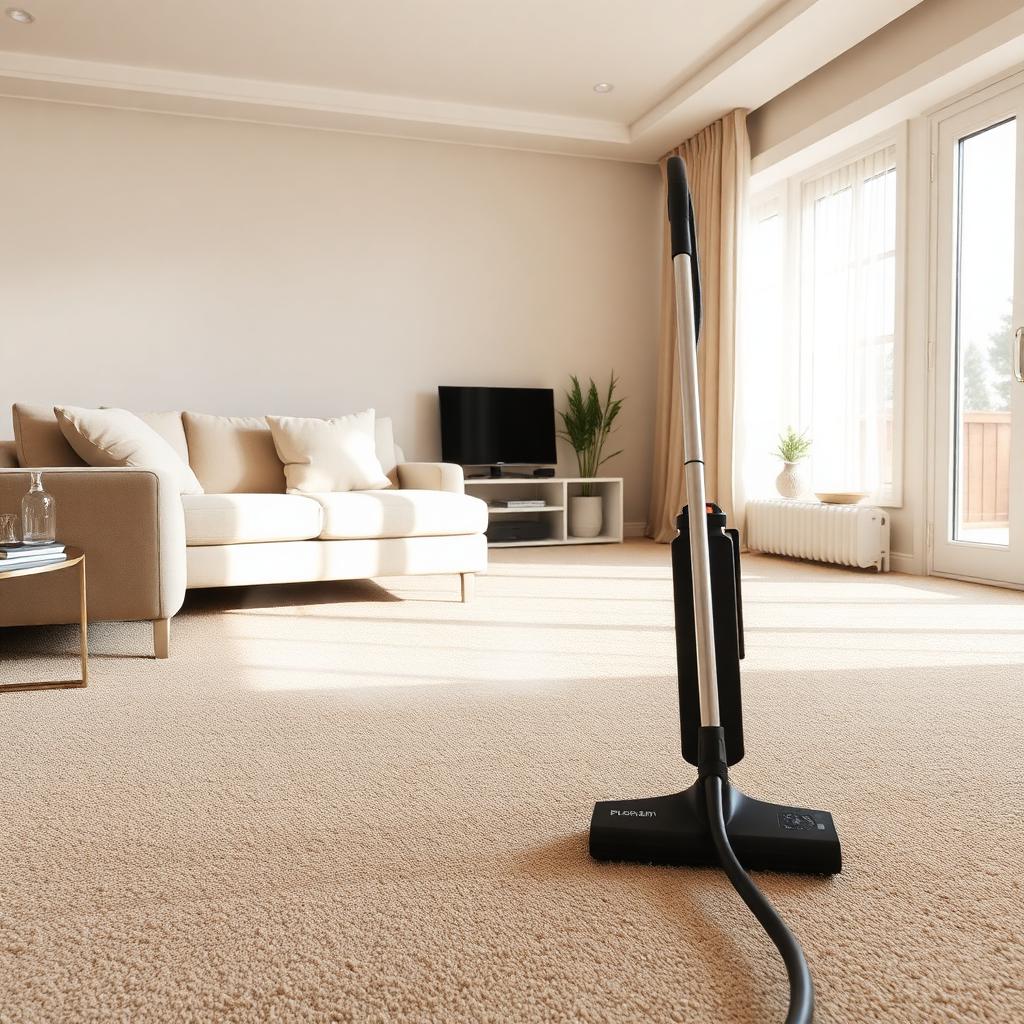
1) Carpet Cleaning Tips for Everyone
You know that feeling when you walk into a room and the carpets just look tired? Maybe they're a little dull, or there's that one spot you keep meaning to tackle but never quite get around to. A clean carpet does so much more than just make your home look welcoming—it genuinely freshens up your indoor air, cuts down on hidden allergens, and honestly adds years to the life of your flooring. And the best part? You really don't need a garage full of expensive, heavy-duty equipment for day-to-day care. If you can build a few simple habits and move quickly when a spill happens, you can keep your floors looking brand new.
I've been through the carpet struggle myself—spilled red wine at a dinner party, muddy paw prints from an overexcited dog, that mysterious stain that appeared overnight and nobody will admit to. Over the years, I've learned what actually works and what just makes things worse. This guide breaks down everything I wish someone had told me years ago, from smart vacuuming habits and a step-by-step stain removal plan to picking the right deep cleaning method for your home.
2) The Golden Rules of Carpet Care
When you boil it down, most long-term carpet damage comes from three simple things: abrasive dirt grinding deep into the fibers, trapped moisture that never quite dries out, and using the wrong chemicals on a stain. If you can stay on top of these three issues, your carpets will stay plush, clean, and vibrant for a really long time. Think of it like skincare for your floors—consistent, gentle care beats harsh treatments every time.
3) Your Ultimate DIY Carpet Cleaning Toolkit
Instead of scrambling when a spill happens (and we all know that panicked feeling of running around looking for a rag while the stain sets), keep a dedicated spill kit ready in your utility closet so you can tackle accidents instantly. Here's what I keep in mine:
* A high-quality vacuum: You want something with strong suction and a beater bar setting that you can actually control or turn off. I learned this the hard way after my old vacuum shredded a section of my Berber carpet.
* White microfiber cloths or paper towels: Make sure they are strictly white. I once grabbed a red towel in a panic and ended up with a pink stain that took forever to fix. Colored towels can transfer their own dye directly onto your carpet.
* A soft-bristled brush: This is just for very gentle agitation. You never want to scrub aggressively—think of it as petting the carpet, not punishing it.
* A clean spray bottle: Perfect for mixing up your own gentle DIY cleaning solutions.
* Carpet-safe spot cleaner: If you have pets at home (like my two chaos-causing cats), keeping a reliable enzyme-based cleaner on hand is an absolute must.
* Baking soda: A fantastic, budget-friendly way to absorb and neutralize stubborn odors. I buy it in bulk because I go through so much of it.
* Fans or a dehumidifier: Getting the carpet dry as quickly as possible is the real secret to avoiding mold and recurring stains. Trust me on this one.
4) Routine Maintenance That Actually Works
Consistency is the real secret behind carpets that always look fresh. Regular upkeep stops everyday dirt from settling in and turning into permanent dullness, matting, or stubborn stains. It's much easier to prevent problems than to fix them later.
1.) Vacuum with Intention
I used to just push the vacuum around while thinking about other things, but once I started being more deliberate, I noticed a huge difference:
* High-traffic areas (like hallways and living rooms): Try to vacuum 2 to 4 times every week. My hallway gets vacuumed almost daily because it's the main route from the front door to the kitchen.
* Low-traffic areas (like guest bedrooms): Once a week is usually plenty.
* Take your time: Rushing through the chore leaves the heaviest grit behind. Use slow, steady passes—one forward and one back. I time myself to make sure I'm not hurrying.
* Check the height setting: If the vacuum is set too low, it can fray the fibers; if it is too high, it won't pull up the dirt. Finding that sweet spot makes a world of difference.
* Empty the bag or bin often: A vacuum loses a massive amount of suction power the second it hits half-full. I learned to empty mine after every use, and it keeps the machine working like new.
2.) Implement a Strict No-Shoes Policy
This one took some getting used to, especially with guests, but it's been a game-changer. Put down good, heavy-duty entry mats both inside and outside your doorways. Getting your family and guests into the habit of taking off their shoes prevents abrasive outdoor soil, sidewalk grime, and oils from wearing down your floors. I keep a cute basket of slippers by the door for guests, and most people actually appreciate the option.
3.) Rotate Furniture and Rugs
Every few months, try to shift your furniture around just a bit. This redistributes the foot traffic paths and keeps your carpet from developing permanent wear patterns. If you use area rugs over your carpet, rotate them occasionally so everything wears evenly. I mark my calendar to do this every season change, and it's become a nice excuse to refresh the room layout anyway.
5) How to Spot-Clean a Carpet Stain Step-by-Step
When a spill happens (and it will—it's just part of life), your main goal is to lift the liquid up out of the carpet, not push it deeper into the padding. Here is the safest way to handle it, and I've tested this on everything from coffee to cat vomit:
1. Blot, do not rub: Press a clean, white cloth firmly straight down to absorb the liquid. Rubbing tears up the twisted fibers and spreads the mess around. I cannot stress this enough—resist the urge to scrub!
2. Work from the outside in: Always clean from the outer edges of the spill toward the center so you do not make the spot any larger. This was a hard lesson learned after making a tiny coffee drop into a massive ring.
3. Use a minimalist approach: Go easy on the cleaning solution. Leftover soap residue works like a magnet for dirt later on. Less is definitely more here.
4. Alternate blotting: Spray a tiny bit of cleaner, blot with a dry section of your towel, and repeat the process until the stain clears.
5. Rinse lightly: Dab the spot with a cloth dampened with plain, cool water to lift away any leftover soap.
6. Force-dry the spot: Place a fresh, dry towel over the damp area, weigh it down with something heavy for 20 minutes, and set up a fan. Fast drying prevents stains from coming back. This step alone has saved me from so many reappearing stains.
6) A Simple DIY Carpet Cleaning Solution
As long as your carpet manufacturer's warranty allows it, this gentle, homemade mix works incredibly well for most everyday spills. I've used it on countless stains and it's become my go-to:
- Mix together: 2 cups of warm water and 1 teaspoon of clear, unscented dish soap.
- Optional boost: 1 tablespoon of white vinegar (This is amazing for cutting through odors, but skip it on natural wool carpets).
- Pro Tip: Never skip the spot-test. Always try out a new cleaner—whether DIY or store-bought—on a hidden patch of carpet first (like deep inside a closet) to make sure it doesn't alter the color. I have a closet corner that's basically my testing ground for everything.
7) How to Remove Common Household Stains
1.) Coffee or Tea
Blot up the liquid immediately. Apply your mild dish soap solution, blot gently, and rinse with cool water. If a faint shadow stays behind, a gentle oxygen-based stain remover should clear it up. I keep a designated coffee mug away from the carpet now, but accidents still happen.
2.) Red Wine
Blot away the excess and lightly mist the spot with a little cold water to dilute the pigment. Use a spot cleaner made for dyes or tannins. Keep heat completely away from the area, or you will set the wine permanently. I learned this after trying to use warm water on a wine stain and making it permanent—never again.
3.) Cooking Grease, Oils, or Lotions
Blot what you can, then cover the grease with a generous layer of baking soda or cornstarch. Let it sit for about 20 to 30 minutes to draw out the oil, then vacuum it up. Treat the remaining spot with a grease-cutting cleaner, blot, and rinse. This works surprisingly well—I've saved a few carpet sections from cooking oil splatters this way.
4.) Dried Mud
This sounds counterintuitive, but let it dry completely. Trying to clean wet mud just smears it into a bigger mess. Once it is completely dry, scrape off the crusty pieces, vacuum the loose dirt thoroughly, and then spot-clean what is left. My dog tracks in mud all the time, and this method has saved my sanity.
5.) Permanent Ink
Blot very carefully so the ink does not bleed. Dab a tiny bit of rubbing alcohol or a carpet-safe solvent onto a cloth, then transfer it to the stain by blotting. Be careful not to use too much, as heavy solvents can damage the glue backing. This is a tricky one—I've had mixed results, so act fast.
6.) Blood
Always use cold water. Warm or hot water essentially cooks the proteins in blood, binding them to the carpet fibers forever. Blot repeatedly with cold water or an enzyme treatment until the cloth comes away clean. This is a good one to know for those minor kitchen accidents.
8) Deep Cleaning: DIY vs. Professional Extraction
Even if you are meticulous about vacuuming, carpets eventually need a deep clean to extract the oily, embedded grime that a normal vacuum simply cannot reach. It's like giving your carpets a spa day.
1.) How Often to Deep Clean?
* Standard homes: Every 6 to 12 months.
* Homes with kids, pets, or allergies: Every 3 to 6 months. With my cats, I lean toward the shorter end of that range.
2.) Hot Water Extraction (Steam Cleaning)
* Best For: Breaking down heavy dirt buildup and deeply sanitizing the floor.
* Pros: Flushes out the most deeply embedded grime and is incredibly effective.
* Cons: It takes a long time to dry out (6 to 12+ hours) and carries a risk of over-wetting if done incorrectly. I made this mistake once and had to deal with a musty smell for weeks.
3.) Carpet Shampooing
* Best For: Giving dull surface fibers a quick brightness boost.
* Pros: Instantly freshens up the look of a room.
* Cons: It can leave behind a sticky soap film if you do not rinse it perfectly. I found this out when my carpets got dirty again suspiciously fast.
4.) Low-Moisture / Encapsulation
* Best For: Quick, routine maintenance cleanings.
* Pros: Very fast drying times and works great for regular traffic paths.
* Cons: It simply will not clear out severe, deeply buried soil.
9) When to Call a Professional Carpet Cleaner
While renting a carpet cleaner from the store is fine for a quick touch-up, it is usually worth hiring a certified pro if:
- Stains keep mysteriously showing back up a few days after you clean them.
- You have delicate, expensive wall-to-wall wool or custom natural fibers.
- The carpet has gone through water damage or has a lingering, musty smell.
- You are getting ready to put your home on the market or host a major event.
I've called in the pros twice—once before selling my old place and once after a particularly bad pet accident—and both times it was worth every penny.
10) Tackling Pet Stains, Odors, and Allergens
1.) Eradicating Pet Accidents
Standard soaps just won't cut it for pet messes. You absolutely need an enzyme-based cleaner. Enzymes actually break down the uric acid crystals that cause those stubborn, lingering smells, which stops your pet from going back to the exact same spot. I keep a bottle of enzyme cleaner under every sink in my house.
1. Blot up as much of the liquid as you humanly can right away.
2. Soak the area with your enzyme cleaner and give it plenty of time to sit and work according to the label.
3. Blot up the remaining moisture and let the spot air-dry completely.
2.) The Baking Soda Deodorizing Routine
To clear out stale room odors, give your dry carpets a light dusting of baking soda. Let it sit for at least 30 to 60 minutes to pull out the smells, then vacuum the carpet slowly and thoroughly to get it all out. I do this once a month and my house always smells fresh.
3.) Managing Seasonal Allergens
If anyone in your house struggles with dust mites or pollen allergies (like my partner does), think about upgrading to a vacuum with a true HEPA filter. This keeps tiny allergens from blowing right back out into the air you breathe. Also, try to keep your home's indoor humidity below 50% to stop dust mites from multiplying. A simple dehumidifier made a huge difference for us.
11) Carpet Care Tips by Fiber Type
* Wool Carpets: Wool is super absorbent and very sensitive. Only use certified WoolSafe products, stay away from high heat, and make sure it dries quickly so it does not shrink or smell musty. I learned this after a well-meaning friend tried to "help" clean my wool rug with the wrong product.
* Berber / Loop Pile: Avoid vacuums with aggressive, spinning beater bars. They can catch a loose thread and completely unravel a whole row of loops. Stick entirely to gentle blotting when spills happen. This was an expensive lesson for me.
* Plush / High-Pile: Raise your vacuum deck up a bit so air can actually flow through the machine. These carpets need regular deep cleaning to prevent heavy matting. I notice the difference in my living room carpet immediately.
* Stain-Resistant Synthetic (Nylon/Polyester): Even though they come treated from the factory to repel liquids, sticky spills will still trap dirt if you ignore them. Avoid harsh, high-pH chemical cleaners that can strip that protection away.
12) 6 Major Carpet Cleaning Mistakes to Avoid
1. Scrubbing stains aggressively: This just ruins the delicate fibers and spreads the stain further out. I've done this in panic and regretted it every time.
2. Overusing carpet shampoo: Leftover soap acts like a magnet for dirt, meaning your carpet gets dirty twice as fast next time. Less is definitely more.
3. Over-wetting the floors: Soaking the backing and padding leads to structural wood rot, buckling, and mold growth. I had to replace a section of carpet because of this mistake.
4. Skipping the test spot: Some aggressive cleaners will permanently bleach or discolor your carpet. Always test first—I can't say this enough.
5. Using heat too early: Putting an iron or hot water on protein or dye stains (like blood or wine) locks them in forever. Cold water is your friend here.
6. Forgetting about airflow: Leaving a room shut tight after cleaning traps the moisture. Use fans and crack the windows to speed up dry times. I always set up a fan and open windows now.
12) Frequently Asked Questions (FAQs)
1.) Why does a stain reappear a few days after I cleaned it?
This is a very common issue known as wicking. What happened is that the spill originally soaked deep down into the carpet backing or the padding underneath. As the surface layer dried, it acted exactly like a candle wick, pulling the damp, dirty liquid from deep below back up to the top. To fix it, clean the surface spot again using as little water as possible, put a fresh towel with a heavy object over it, and use a fan to dry it out quickly. I've dealt with this more times than I'd like to admit.
2.) Is vinegar completely safe for all carpets?
Vinegar is quite acidic, which makes it awesome for neutralizing basic odors and shifting certain stains on synthetic carpets. However, you have to be incredibly careful with natural fibers like wool or silk. Always test a tiny drop in a hidden corner first to be safe. I learned to keep vinegar away from my wool area rug entirely.
3.) Can I safely use a rental carpet cleaner?
Yes, rental machines can do a great job if you are careful with them. The trick is to use about half the amount of detergent the bottle calls for, and double your dry passes—meaning you run the machine over the wet carpet using just the suction, without pulling the trigger to spray more water. I've done this several times and it works well when you follow these rules.
4.) How long does a carpet take to dry after a deep clean?
On average, expect it to take anywhere from 6 to 12 hours. The exact time depends heavily on the humidity in your home, the airflow in the room, the thickness of your padding, and how much water the machine managed to pull back up. Running a few ceiling fans or a dehumidifier cuts this time down significantly. I always plan to deep clean on a day when I can leave windows open.
13) Final Thoughts
Keeping your home's carpets looking great does not have to be a source of constant stress. If you can stay consistent with vacuuming, jump on spills immediately with a solid blotting technique, and schedule a deep extraction once or twice a year, you will protect your investment and keep your home feeling incredibly fresh.
Remember, carpets are meant to be lived on. They'll never be perfect forever, and that's okay. A little wear and tear tells the story of a home that's actually lived in—full of family, friends, and memories. The goal isn't perfection; it's just keeping them as clean and healthy as possible so they can serve you well for years to come.
Happy cleaning!
This article was contributed by a third party. Views are the author’s own and don’t represent an endorsement by BondClean.