
Clean Like a Pro: The Ultimate Kitchen & Oven Deep-Cleaning Guide
By Sameer, Bond Cleaners Newcastle·
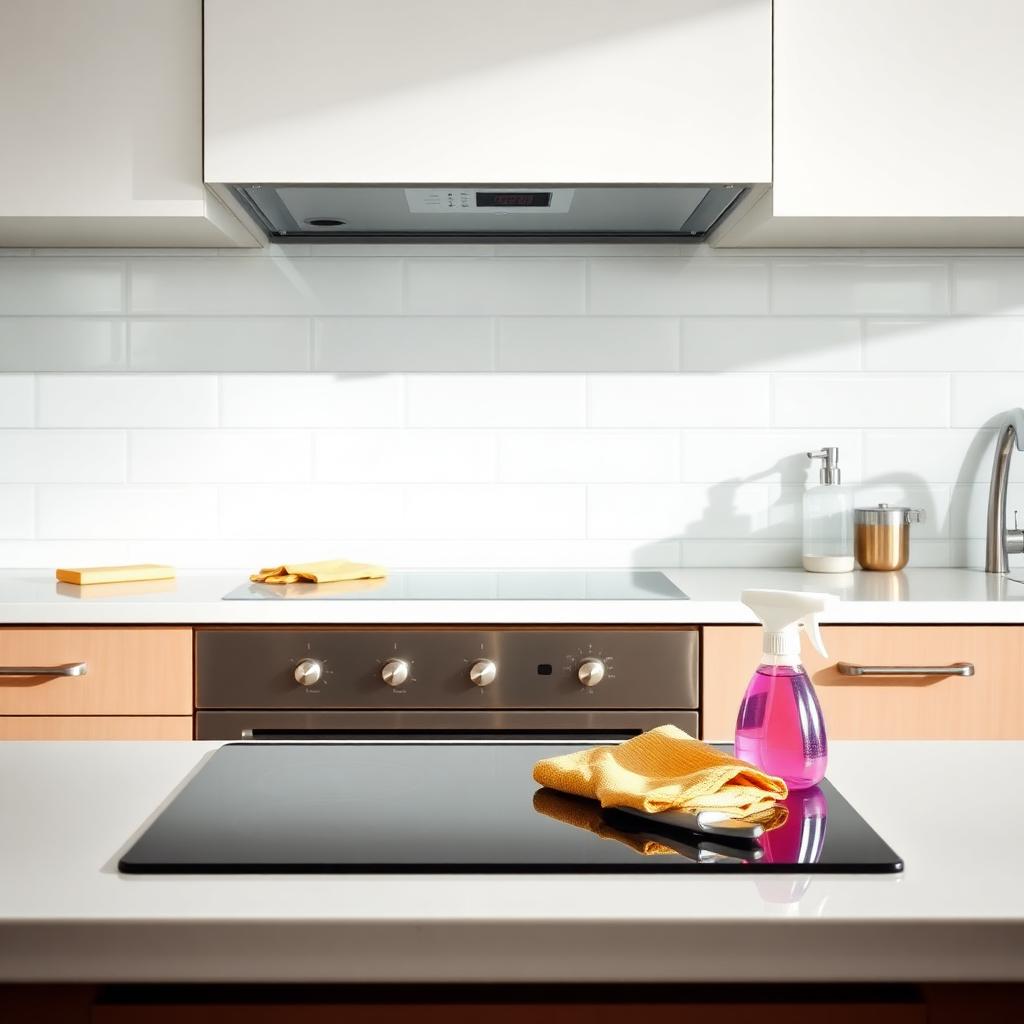
Keeping a kitchen clean isn't just about making it look nice—it is about having a healthy, pleasant space where you actually want to cook. Between weeknight meals, morning rushes, and weekend prep, grease and food splatters pile up fast. Over a few months, oil settles on top of your wall cabinets, burnt bits stick to the bottom of the oven, and grime collects in tiny gaps around the sink.
A quick surface wipe works fine day to day, but now and then, a proper deep clean resets the room and keeps your appliances working properly.
Whether you are gearing up for a tenancy inspection, prepping your home for sale, or just fed up with staring at burnt-on oven grease, here is a straightforward guide to tackling your kitchen efficiently from top to bottom.
## Get Prepared Before You Start
Before grabbing a spray bottle, take ten minutes to clear the area. Trying to scrub counters while moving cereal boxes and spice jars around doubles your workload.
* Open the windows: Turn on your range hood fan or open a couple of windows to keep air moving while you work with cleaning products.
* Put on gloves: Protect your hands with a good pair of rubber household gloves, especially when using hot water or heavy soaps.
* Clear the benchtops: Shift everything off your counters—appliances, toaster, knife blocks, and dish racks. You need completely open surfaces to work on.
* Gather your tools: Bring your sponges, cloths, brushes, and sprays into the kitchen ahead of time so you are not hunting around for supplies halfway through.
## Basic Supplies You Need
* Microfibre cloths (best for wiping away grease without scratching surfaces)
* Non-scratch scrub sponges
* An old toothbrush (great for getting around tap bases and tight edges)
* A bucket and hot water
* Dishwashing liquid and a multi-surface spray
* Baking soda and white vinegar
* A mop suited to your floor type
## Tackling the Oven
Start with the oven first. Oven cleaning takes the longest, so applying your cleaning agent early gives it time to break down heavy carbon marks while you move on to other tasks.
### 1. Strip Everything Out
Make sure the oven is completely turned off and cold to the touch. Remove all interior wire shelves, side runners, and any trays so that the main oven cavity is completely empty.
### 2. Soak the Racks
Fill your laundry sink or a large tub with hot water and a generous squirt of dish soap. Put the racks in to soak for at least 30 to 45 minutes. Once the burnt grease loosens, scrub them down with a non-scratch pad, rinse with clean water, and let them dry off.
### 3. Apply the Cleaner
Spread your choice of store-bought oven cleaner or a thick home mix of baking soda and water across the interior walls, base, and top.
Keep cleaning products away from heating elements, gas igniters, and fan openings.
Leave the product on the surface for half an hour or so to loosen stubborn baked-on grease.
### 4. Clear Out Cavity
Remove the softened gunk with a damp cloth. "If you used baking soda paste, a light spritz of diluted white vinegar helps lift any remaining chalky film, leaving the enamel smooth and clean."
### 5. Clean the Glass
Gently wipe down the inner glass panel using a soft sponge. Never use steel wool or razor blades on tempered oven glass—scratching the surface can weaken the glass panel over time.
## Rangehood, Stovetop, and Filters
As you cook, vaporized grease rises with steam and coats the surfaces above your stove.
* Clean the Mesh Filters: Pop the metal mesh filters out of your range hood. Let them sit in hot water with dish liquid or a degreaser. Use a soft brush to scrub out trapped oil in the mesh, rinse thoroughly, and let them air-dry completely before snapping them back in.
Clean the outside of the hood. If it is stainless steel, wipe following the natural direction of the grain to prevent visible streaks.
* Stovetop Maintenance: Clean gas burners, cast iron trivets, or smooth induction surfaces. Before you clean around the ignition parts, let the burner parts cool completely.
## Cleaning High to Low (Cabinets and Counters)
The golden rule of house cleaning is working top to bottom. That way, any dust, crumbs, or drips land on surfaces you haven’t cleaned yet, saving you from cleaning the same spot twice.
* Upper Cabinets: Dust the tops of the wall cabinets. Wipe down the cabinet doors, outer edges, and handles where oily thumbprints gather.
* Benchtops: Clean surfaces by wiping them down with a cleaner that is suitable for the benchtop surface, whether it is laminate, timber, or engineered stone. Avoid using acidic cleaners such as vinegar on natural stone such as marble or granite, as the acid can etch through the sealant.
* Splashbacks: Clean the splashback behind your cooktop, working over grout lines where oil droplets land during frying.
## Sinks, Appliances, and Floors
Make the sink clean and then sweep your way out of the kitchen.
* Sink & Taps: Clean the sink bowl, drain rim, and tap fixtures. Use an old toothbrush around the base of the mixer tap to clear out built-up scale and soap residue.
* Fridge and Exterior Surfaces: Wipe down the fridge handles and the dishwasher doors and the rubber door seals where food crumbs collect.
* Flooring: Sweep or vacuum loose dirt (including up to the kickboards and in corners). Finish with a warm water mop to suit your tile, vinyl, or timber floor.
## When to Bring in Professional Cleaners
It takes time and muscle to deep clean yourself. It is fine to do it yourself for month-to-month upkeep, but it is often the most sensible choice to book a professional cleaning service when:
Moving House Property managers have exacting standards for inspections with end-of-lease cleans. Professional cleaners know the exact checklists required to help get your bond back.
* Busy Schedules: If you are juggling long work hours or family life, dedicating your entire weekend to scrubbing oven carbon is just not a good use of your downtime.
* Heavy carbon buildup: years of burnt-on grease may need heavy-duty tools or specialist techniques to clean without damaging appliance coatings.
* Preparing for Sale: A new, clean-smelling kitchen makes a powerful first impression for potential buyers at open homes.
If you are looking to hire professional cleaners in Australia, it is important that you use an established business that gives you an upfront quote, has public liability insurance, and conducts its business fairly under Australian Consumer Law.
## Wrap-Up
A few basic cleaning habits go a long way in keeping your home running smoothly. Setting aside time every few months to work through a systematic deep clean stops heavy grease from getting out of hand. And whenever your schedule is packed or a job feels too big to tackle alone, calling in a trusted local cleaning service is an easy way to get your kitchen looking great without the hassle.
This article was contributed by a third party. Views are the author’s own and don’t represent an endorsement by BondClean.