
7 Dangerous Cleaning Combinations That Can Ruin Your Bathroom Fixtures
By David, Bond Cleaning Toowoomba·
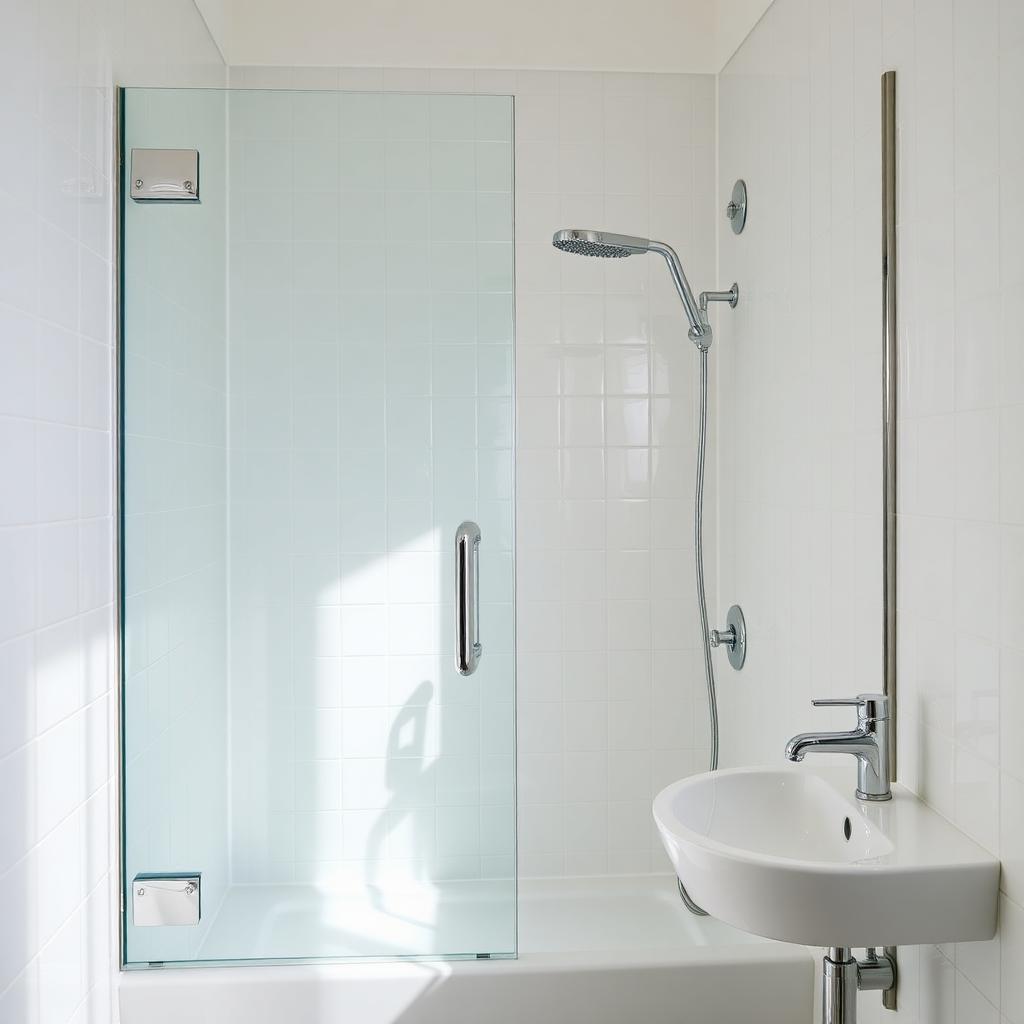
We have all been there. You are staring down stubborn soap scum on your glass doors, orange hard-water rings in the tub, or dark mold hiding in your grout lines. When your regular spray doesn't seem to reach it, the immediate reaction is often to grab every heavy-duty bottle under the sink and start mixing.
It feels like common sense: if Cleaner A works a little bit, and Cleaner B works a little bit, combining them ought to blast away the problem in half the time.
Unfortunately, chemistry does not work that way. Blending common household cleaning products can create harsh, hazardous chemical reactions. Beyond putting your health at risk, these volatile mixes can easily destroy your bathroom finishes. What started as a quick weekend chore can quickly turn into an expensive replacement job for etched stone, corroded metal, or warped acrylic.
To protect your home and your health, here are seven cleaning combinations you should never mix.
## 1. Bleach and Ammonia
This combination is one of the most common and dangerous mistakes homeowners make. Ammonia is a core ingredient in many window, glass, and multi-surface cleaners, while chlorine bleach is the standard choice for whitening toilets and stripping mold.
When you combine chlorine bleach and ammonia, they react to produce volatile chloramine gases.
Breathing in chloramine gas quickly causes burning in your eyes, throat, and airways, and heavy exposure can lead to severe coughing and lung damage. Beyond the health hazards, this intense reaction degrades silicone sealants around your shower tray, turns white acrylic tubs a dull yellow color, and strips the finish off silver and gold tapware.
## 2. Bleach and White Vinegar
White vinegar has earned a permanent spot in many homes as a natural, safe alternative to commercial products. It works wonders on mineral deposits, but it should never be paired with bleach.
Adding an acid like vinegar to an alkaline bleach solution converts sodium hypochlorite into pure, toxic chlorine gas.
Chlorine gas is incredibly harsh. Even a little can cause chest tightness, eye stinging, and violent coughing fits. On top of that, the high acidity of this mix eats straight through protective grout sealers, pits metal taps, and permanently etches natural stone like marble or limestone.
## 3. Hydrogen Peroxide and Vinegar
Using hydrogen peroxide and vinegar sequentially on a surface (rinsing in between) is fine, but mixing them directly together inside the same spray bottle creates an entirely new compound: peracetic acid.
Peracetic acid is highly corrosive. It can cause skin burns, eye irritation, and respiratory discomfort if you inhale the mist. While you might think you are making a super-sanitiser, peracetic acid slowly eats away at internal tap parts like rubber O-rings, damages flexible plumbing connections under the vanity, and leaves tiny micro-scratches across specialized glass coatings.
## 4. Acidic Cleaners on Natural Stone
Limescale removers, commercial descalers, and heavy vinegar sprays are great for dissolving calcium buildup on porcelain, but using acid-based products on natural stone like marble, limestone, or granite is a recipe for disaster.
Acid physically dissolves calcium carbonate, which is the primary structural material in natural marble and limestone.
Applying acidic cleaners to these surfaces results in dull, chalky, white etch marks that penetrate deep into the stone. No amount of wiping will remove these marks—they require professional restoration. The acid also strips away natural stone sealers, leaving your expensive surfaces vulnerable to deep moisture damage and mold growth.
## 5. Bleach and Rubbing Alcohol
Rubbing alcohol (isopropyl alcohol) is fantastic for wiping down mirrors, chrome handles, and high-touch areas. However, combining it with bleach produces a dangerous chemical byproduct: chloroform, along with hydrochloric acid.
## Inhaling chloroform fumes can quickly make you dizzy, lightheaded, or nauseous.
This harsh chemical combination also acts as a powerful solvent that weakens acrylic shower walls, discolors synthetic composite sinks, and strips protective clear coatings directly off modern brushed brass and matte black fixtures. ---
## 6. Commercial Drain Cleaners Mixed with Other Cleaners
Chemical drain openers rely on heavily concentrated sulfuric acid or lye to break down hair and grease. Pouring another household product down a slow drain alongside a commercial drain opener is incredibly risky.
Mixing acid-based drain openers with lye-based products or bleach causes a violent heat-producing (exothermic) reaction.
The liquids inside the trap can instantly boil and splatter back out of the drain opening, risking severe chemical burns to your eyes and face. Furthermore, the extreme heat can warp plastic PVC pipes beneath the sink, crack ceramic toilet bowls, and ruin the metal rims around your drain pop-ups.
## 7. Pouring Different Brands of Drain Cleaner Down the Same Pipe
If one chemical drain opener fails to clear a blockage, resist the temptation to pour a different brand down after it.
Different chemical manufacturers use vastly different formulas and pH levels. Pouring an acidic brand on top of an alkaline brand generates intense heat trapped inside your plumbing pipes, alongside toxic fumes rising up through the sink.
That trapped heat and harsh chemistry eats away at rubber gaskets, weakens solder joints in metal pipes, and strips the protective glaze off ceramic drain basins.
## Practical Rules for Keeping Your Bathroom Safe
Keeping your bathroom fresh and clean doesn’t have to be a dangerous experiment:
* Read your labels carefully: Before trying a new product, always check the warning symbols and instructions for use. Under Australian Consumer Law, manufacturers must clearly label the bottle with guidelines for use and any chemical risks.
* Keep fresh air moving: Always switch on the exhaust fan, open a window, or keep the door open while cleaning to clear away ambient fumes.
* Rinse completely between steps: If a tough job requires two different cleaning agents, thoroughly rinse the entire area with clean water and dry it before applying the next product.
* Separate your storage: Keep bleach, acids, and ammonia-based sprays stored on different shelves so there is no risk of leaks mixing under the sink.
## Protect Your Investment with Professional Cleaning
Knowing how everyday chemicals interact is the best way to keep your home safe and preserve your fixtures. But when you are dealing with years of built-up hard water scale, deeply discolored tile grout, or stubborn mold, using aggressive chemical mixes yourself is not worth the risk.
A professional cleaning team takes the guesswork out of the equation. Our trained technicians use commercial-grade, pH-balanced products that are formulated specifically for delicate natural stone, frameless glass, and modern tapware finishes. If you want your bathroom looking spotless and deeply sanitized without the risk of damaged surfaces or harsh chemical fumes, get in contact with your local professional cleaning service today to book an assessment.
This article was contributed by a third party. Views are the author’s own and don’t represent an endorsement by BondClean.